The Suguta Valley
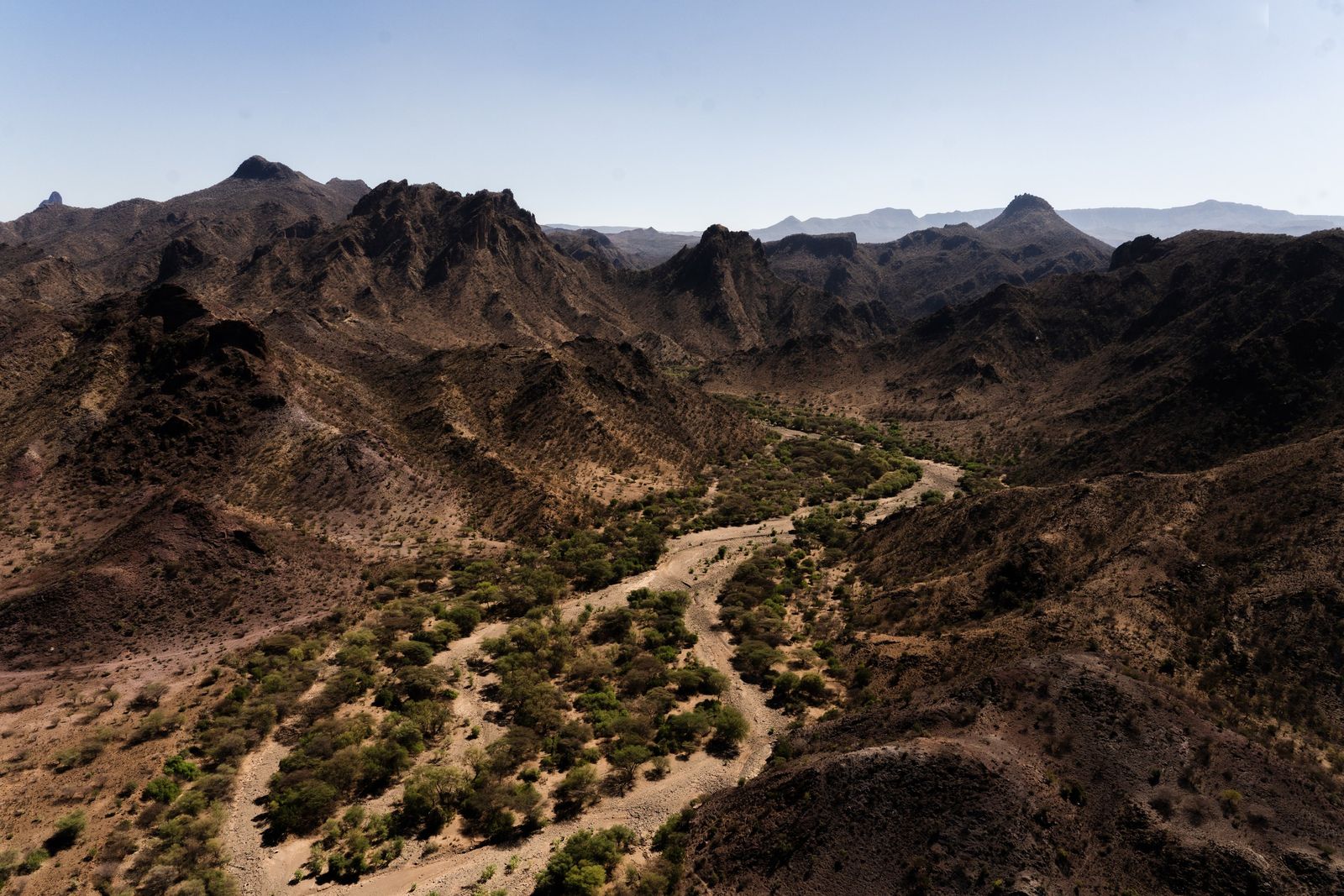
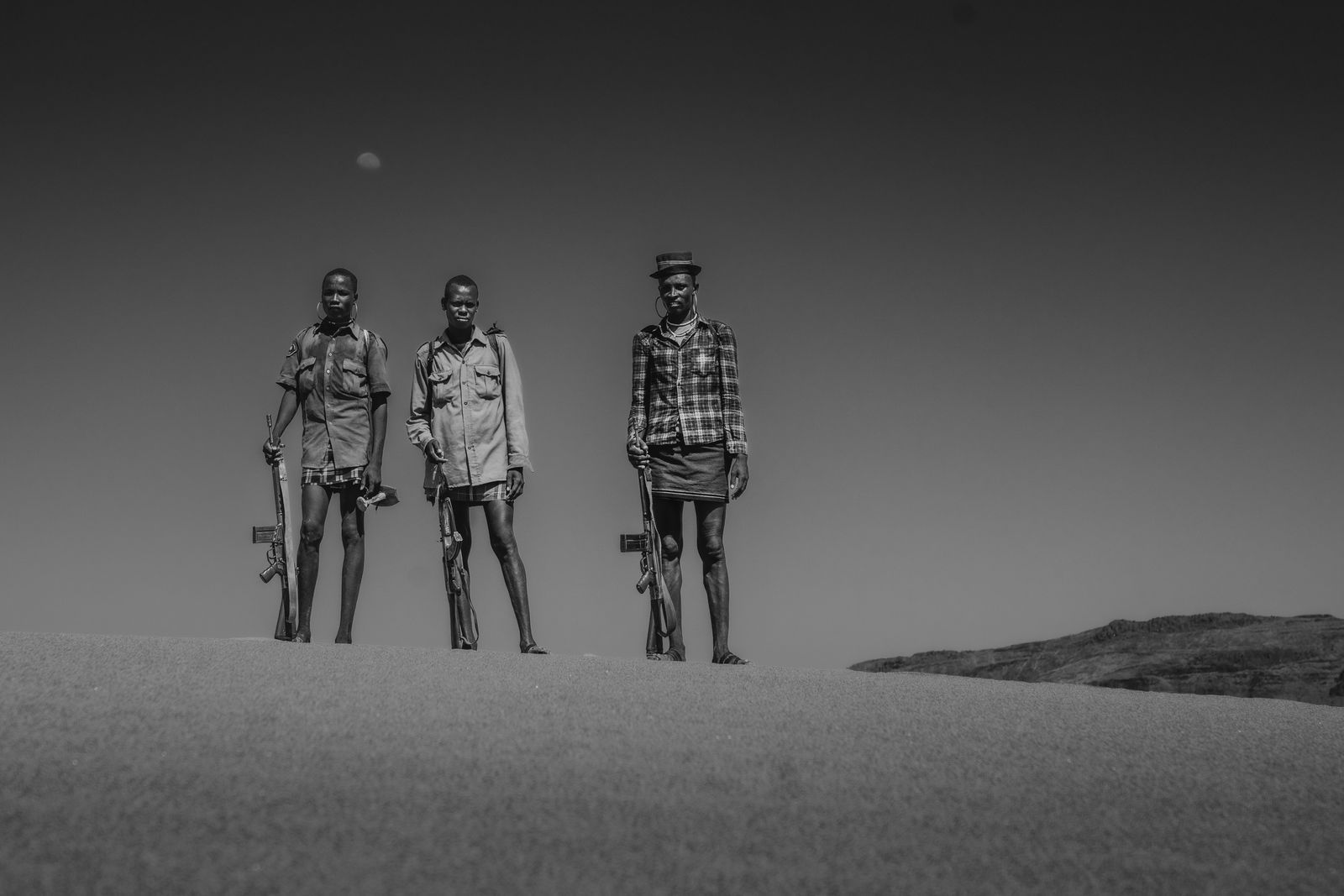
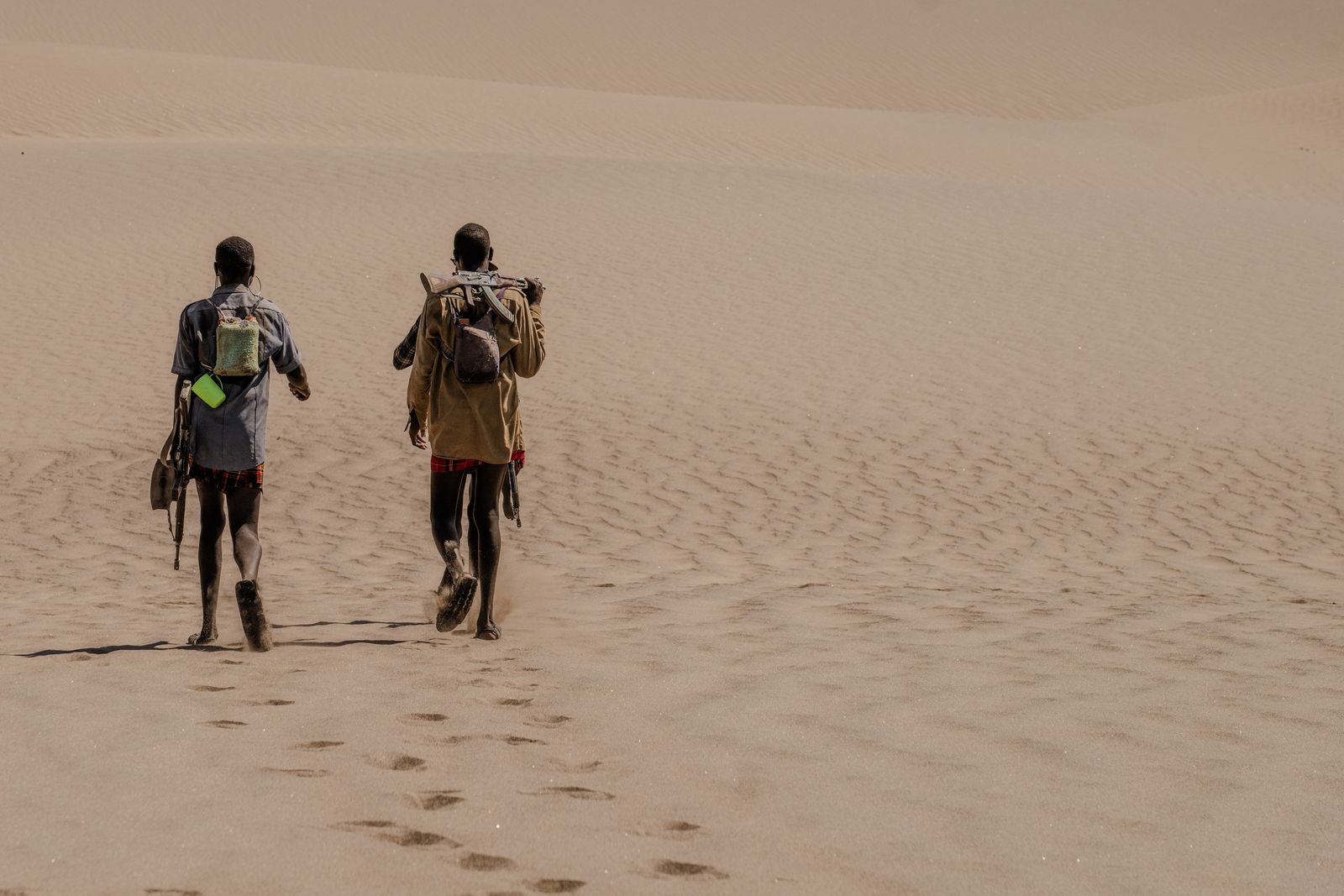
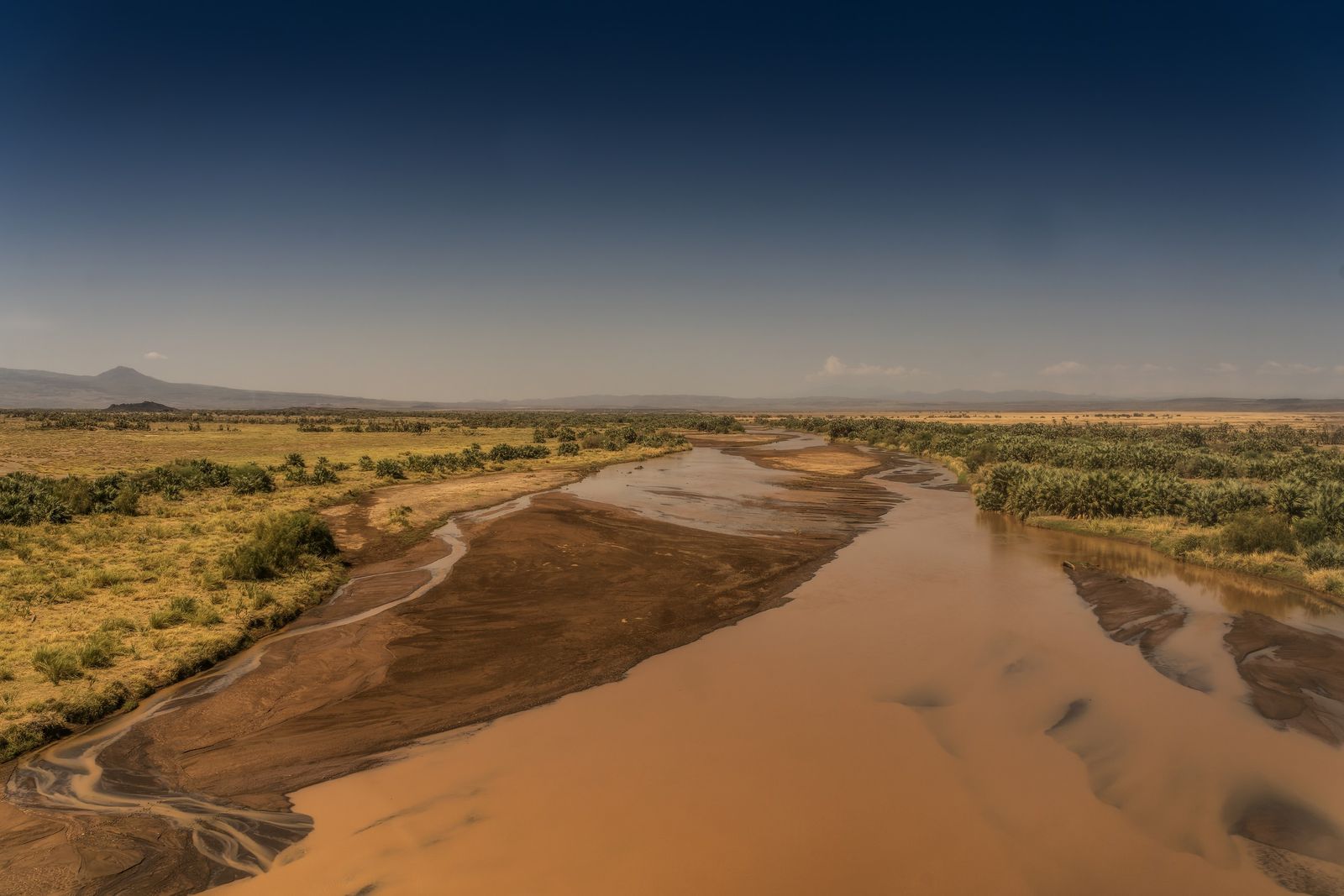
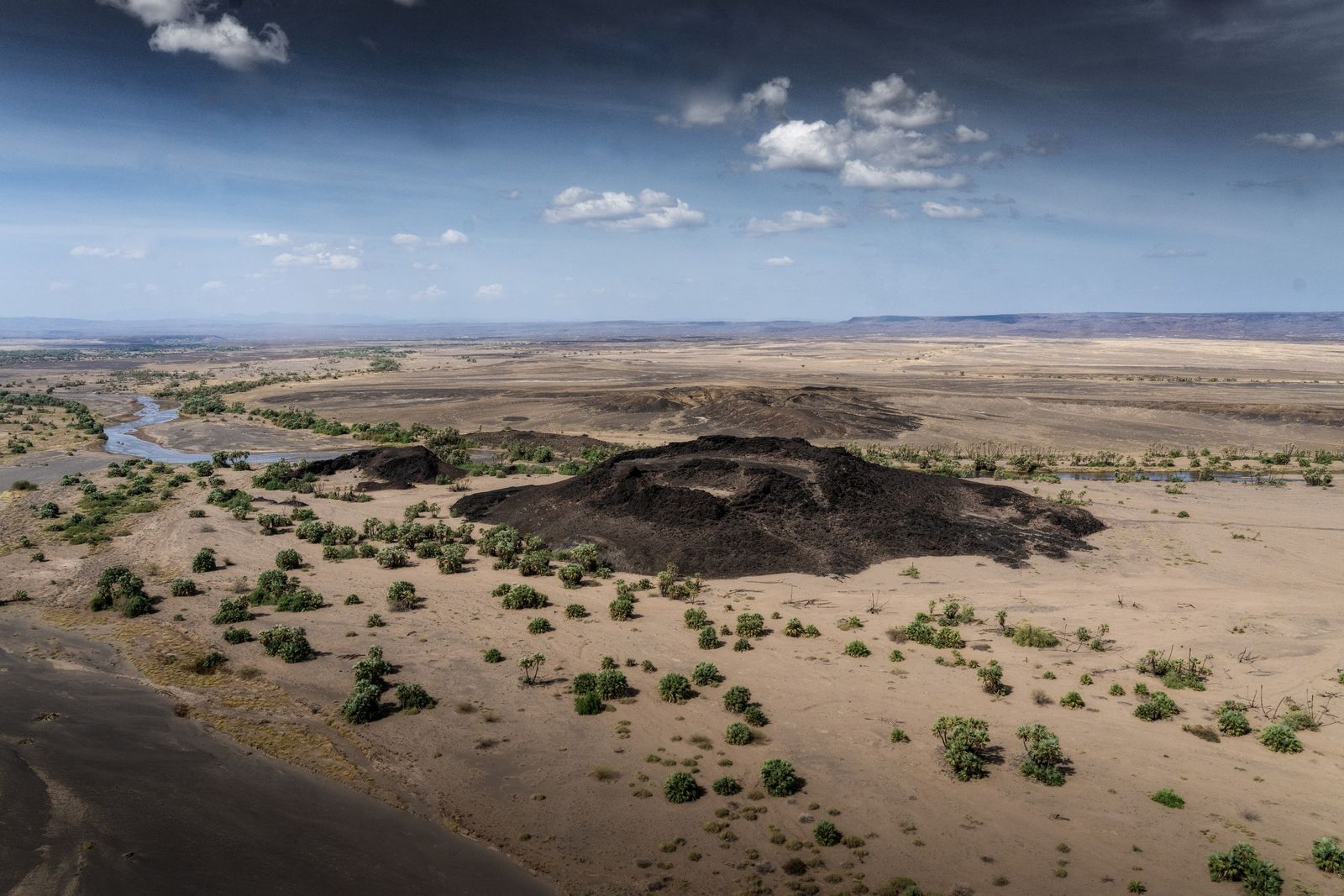
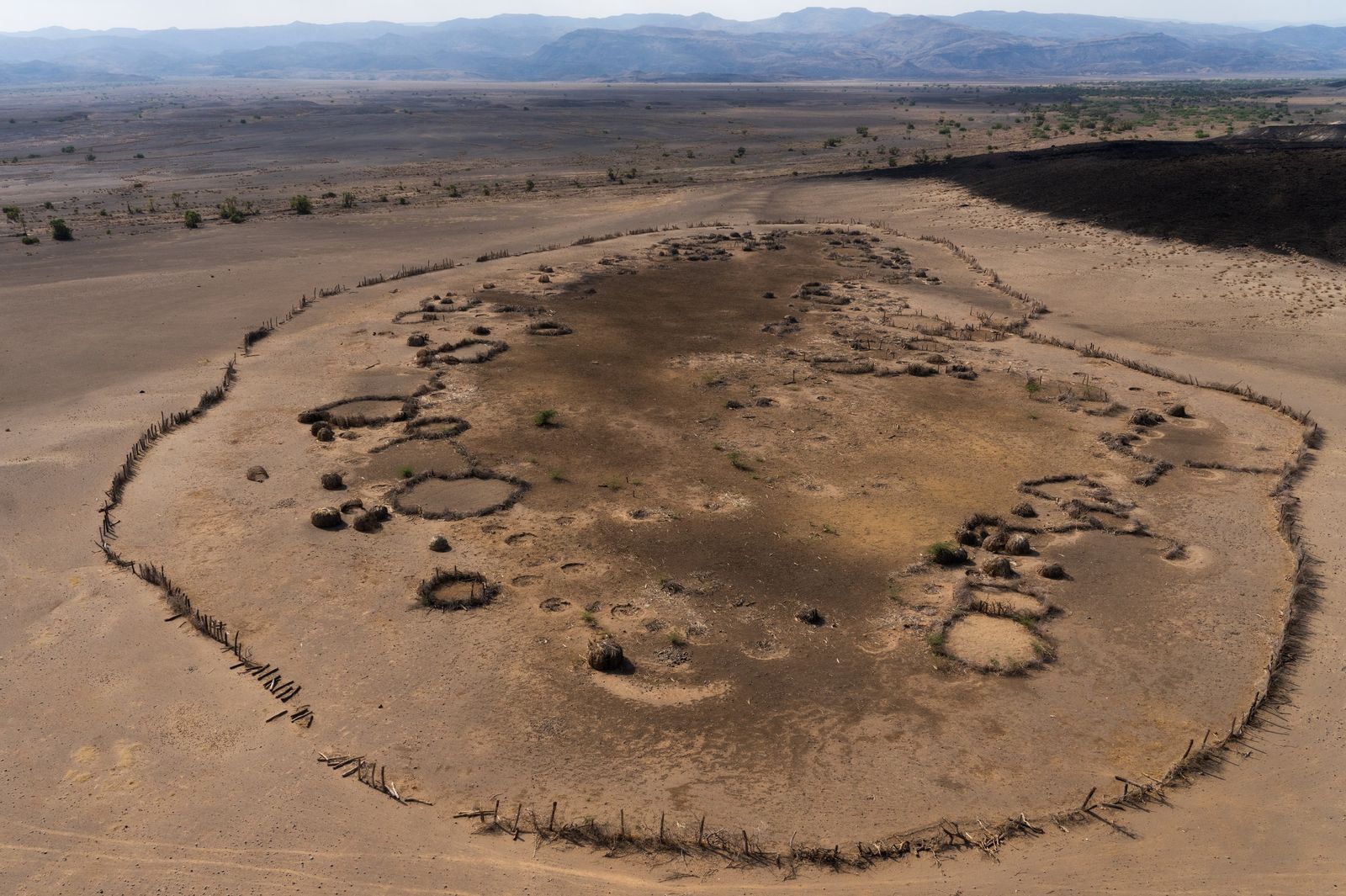
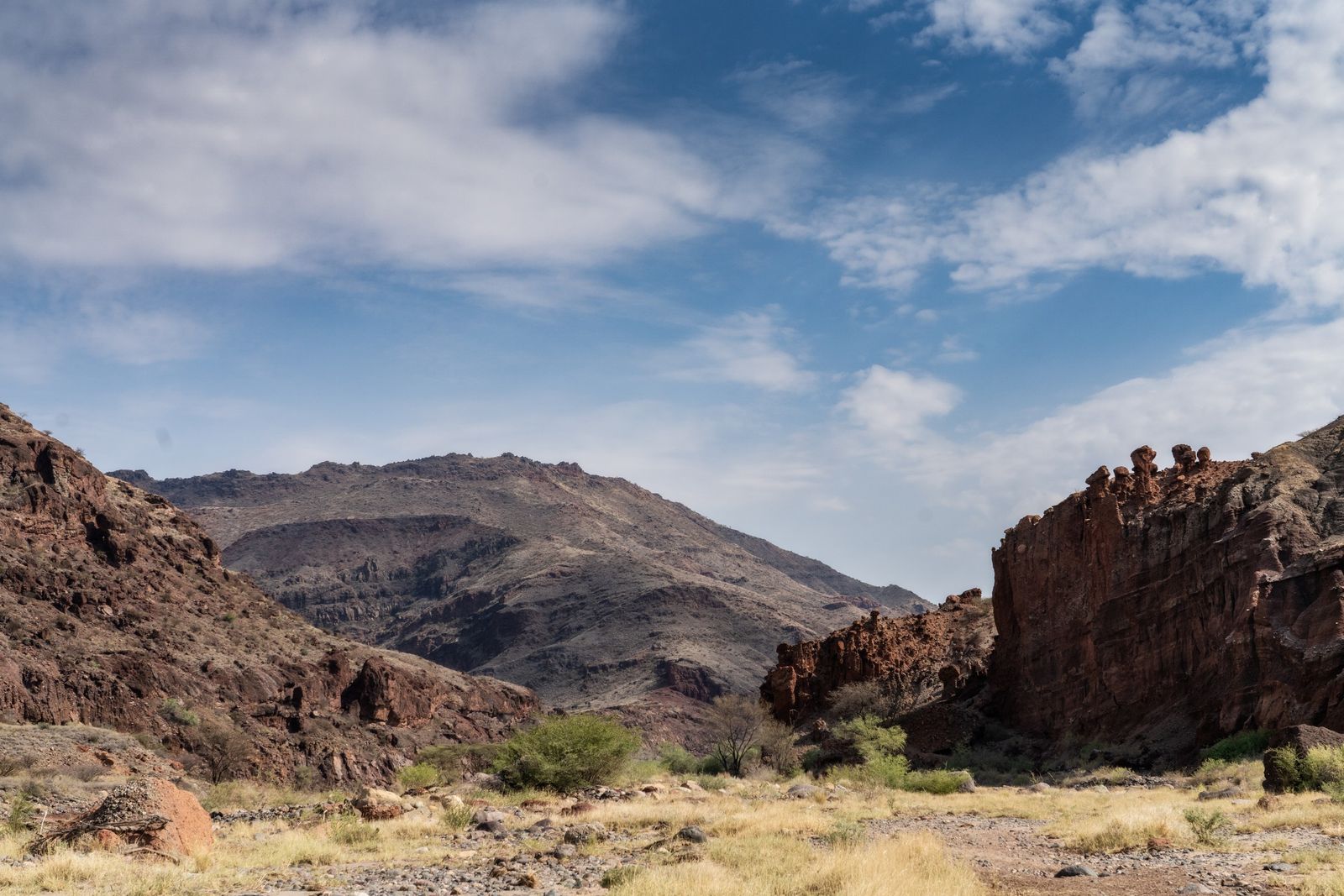
From World's End we drop to the floor of the Rift. This is the Suguta Valley, about 300 metres above sea level and one of the hottest and driest places in Kenya. Less than 300 millimetres of rain falls in a year, temperatures reach 50°C, and few people ever see it. The Turkana and the Pokot herd their animals along its edges.
Until a few thousand years ago a lake filled the valley from end to end, its surface some 250 metres above today's floor. In the wettest centuries it spilled north into Lake Turkana, which in turn overflowed towards the Nile. Between about 8,000 and 5,000 years ago the climate dried and the lake disappeared, and its old shorelines still show as terraces along the valley walls. Across the northern end stands the Barrier, a group of volcanoes that divides the valley from Lake Turkana.
Click the map to exploreTap the map to explore
Southern Suguta
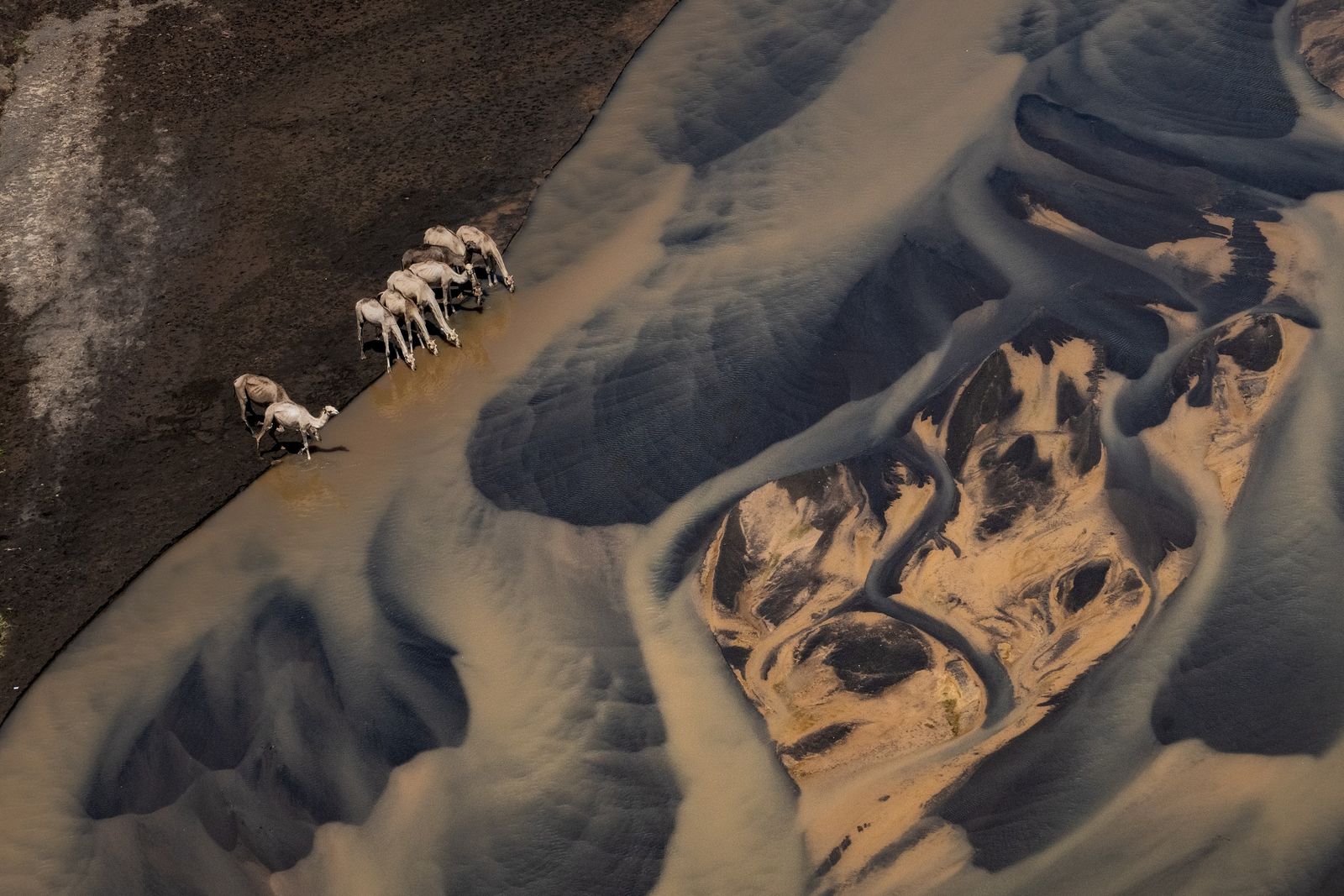
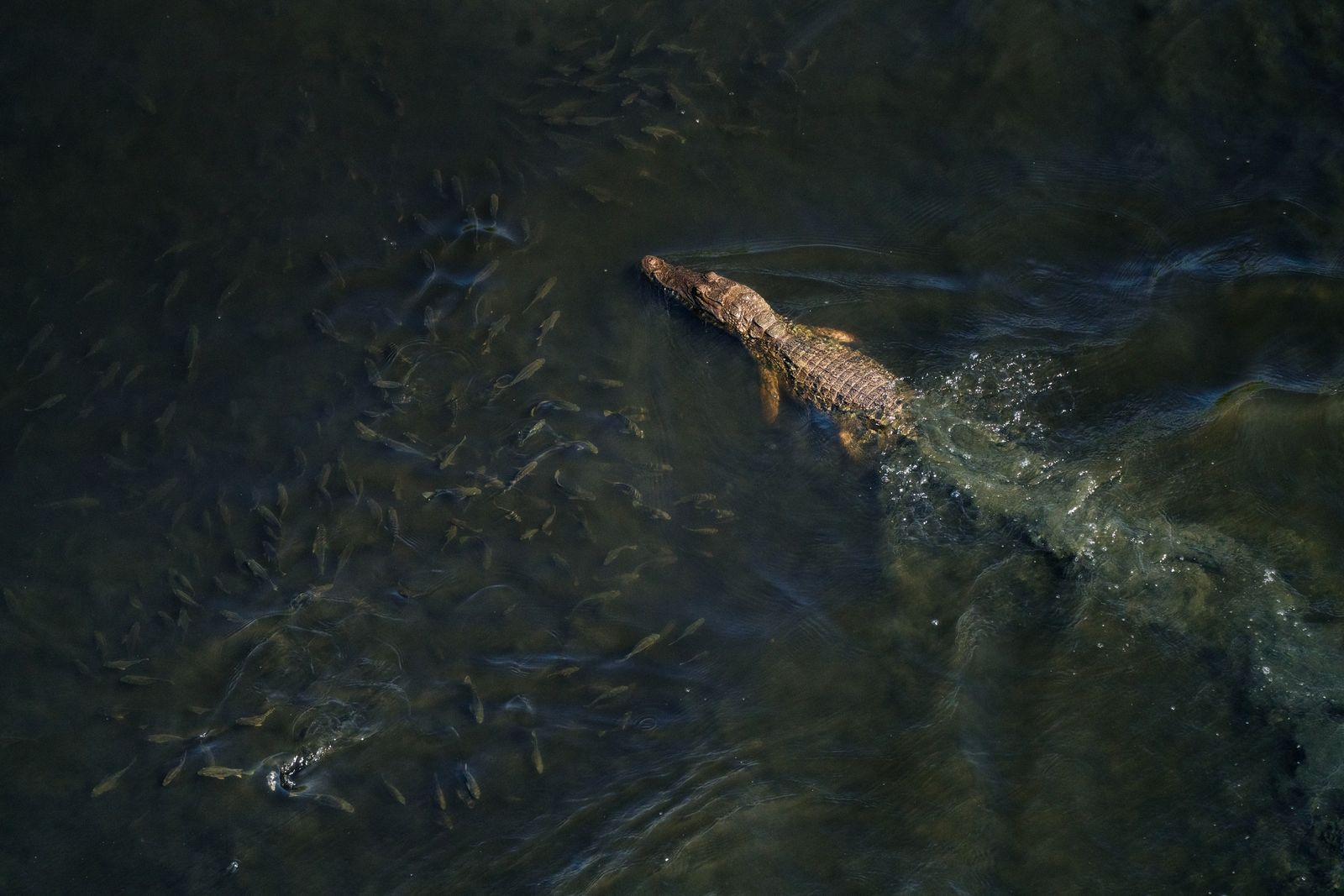
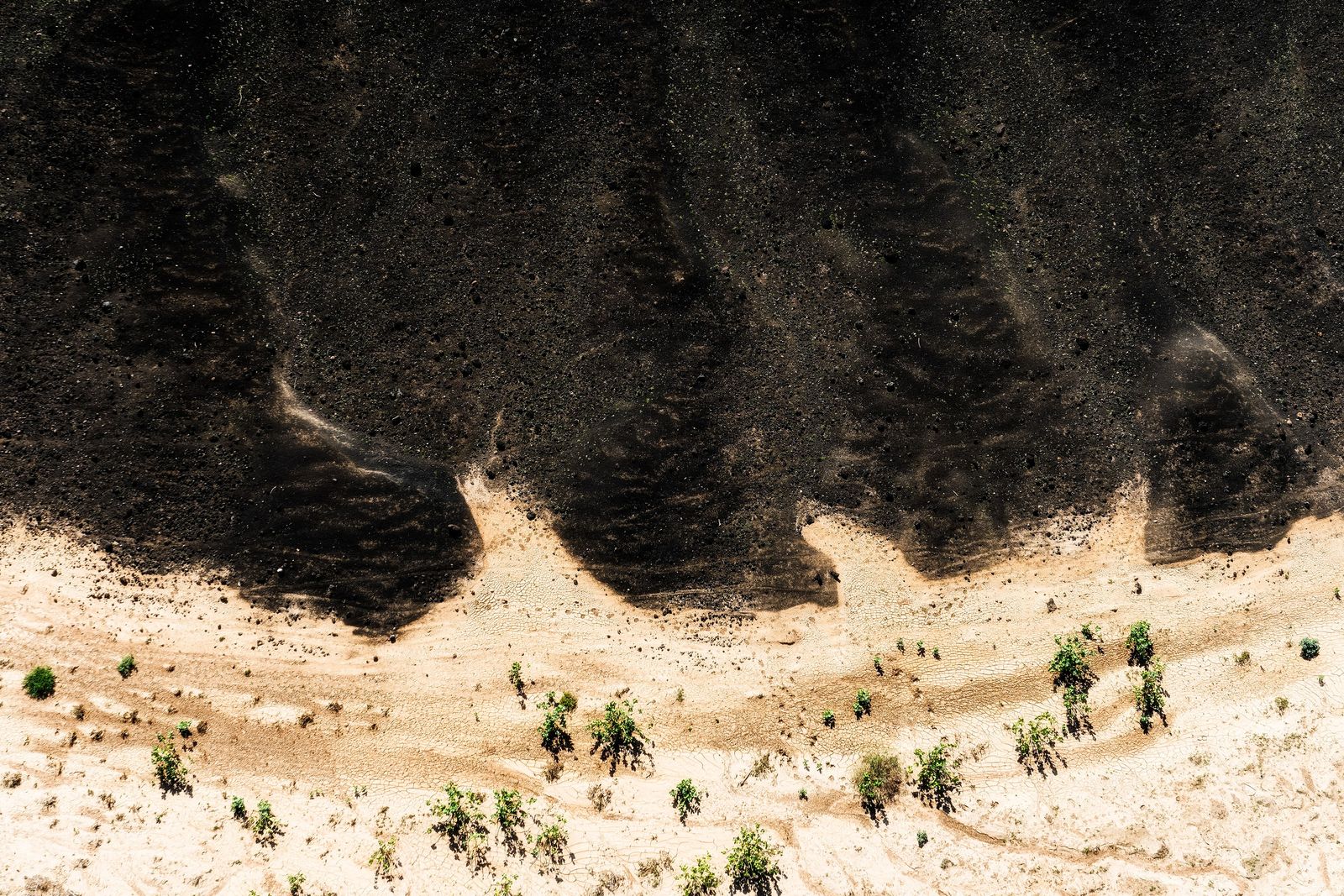
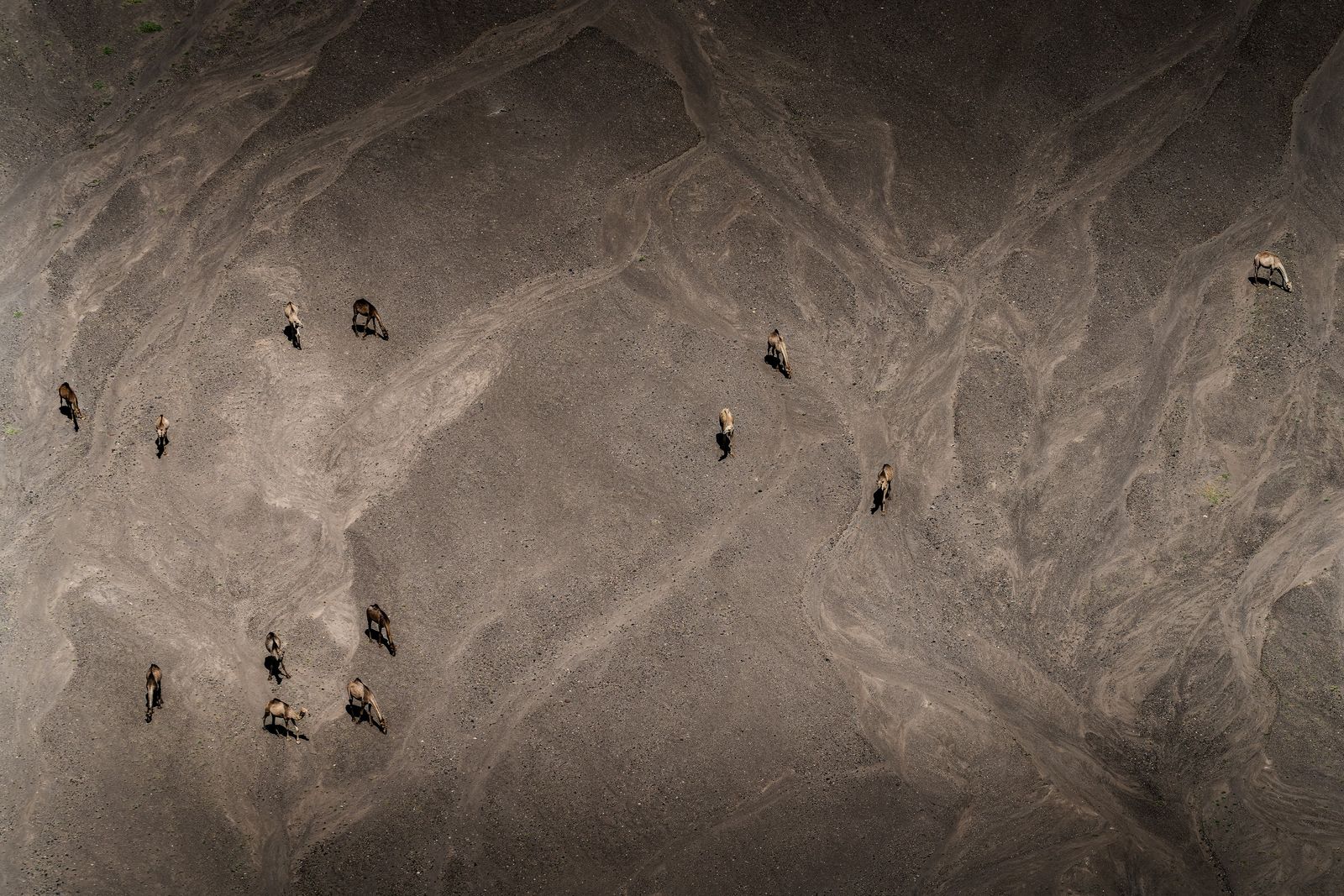
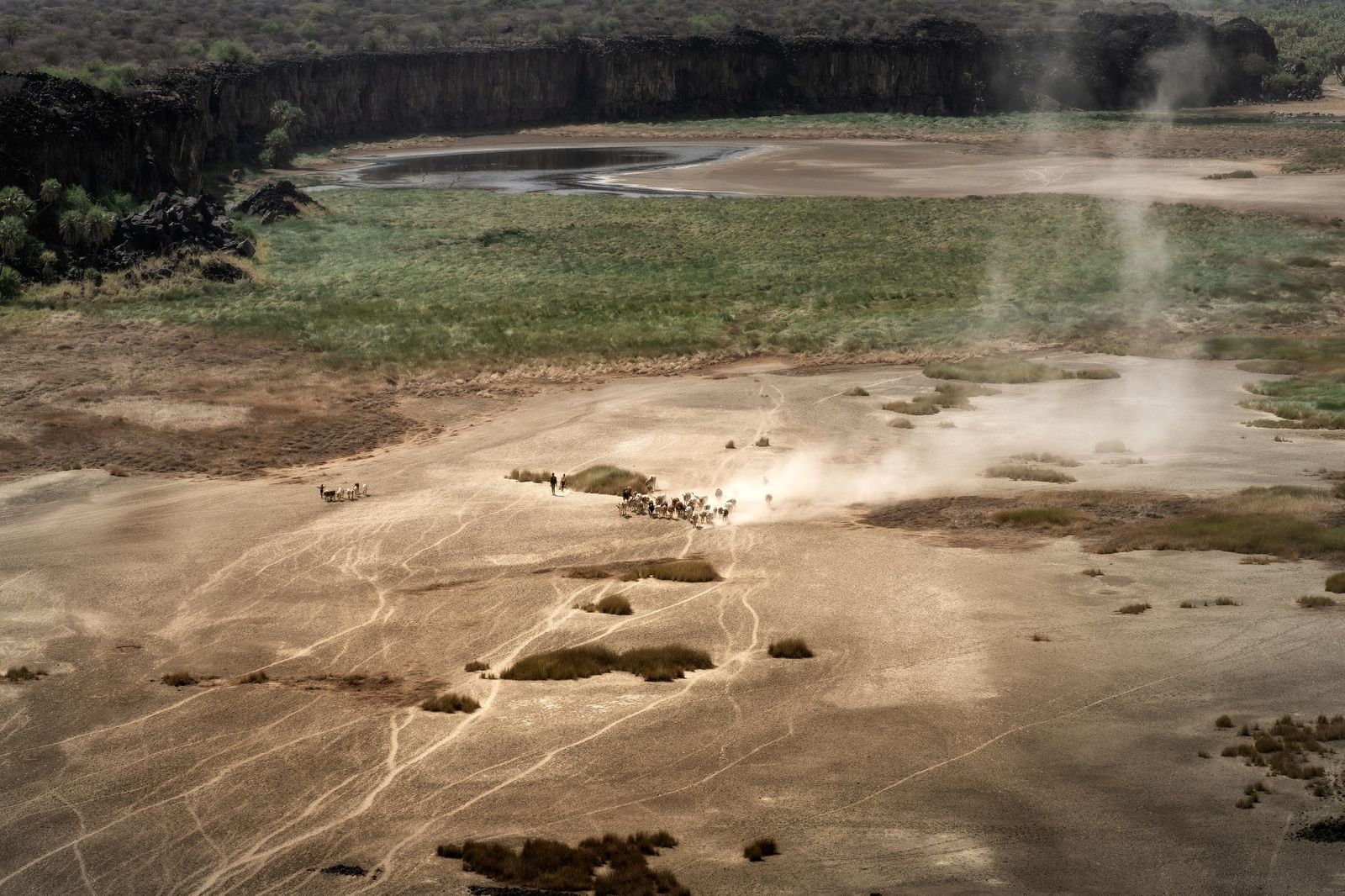
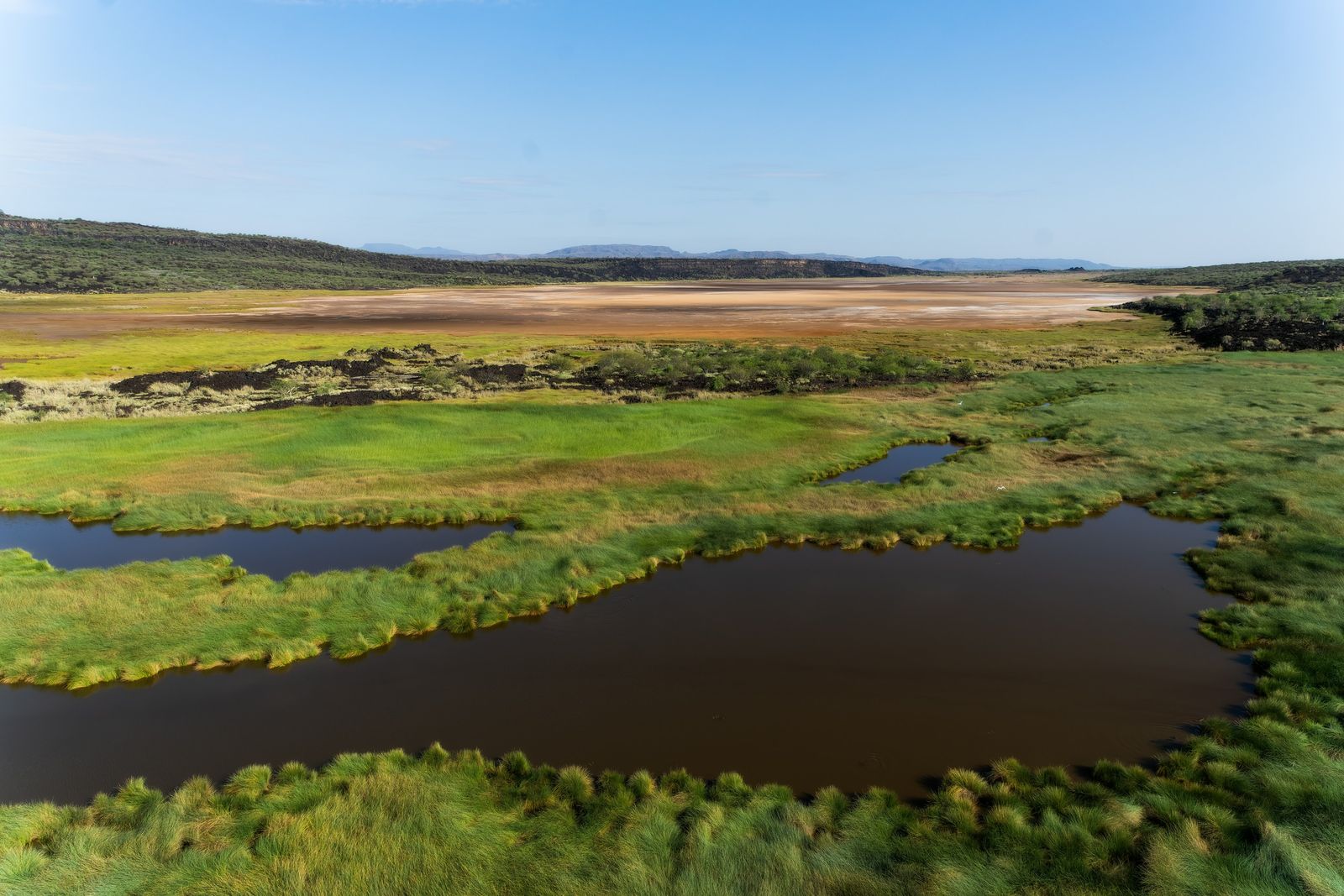
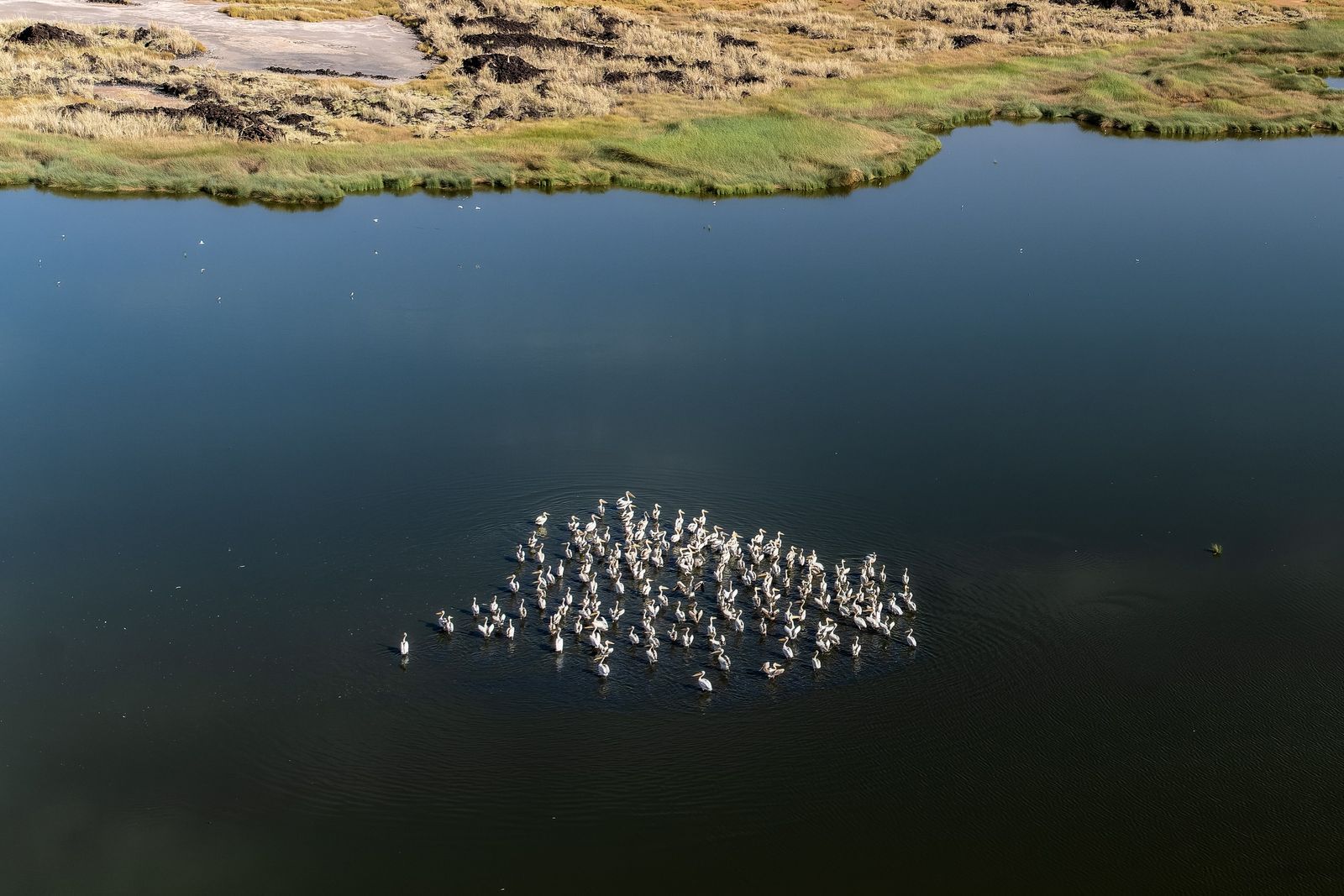
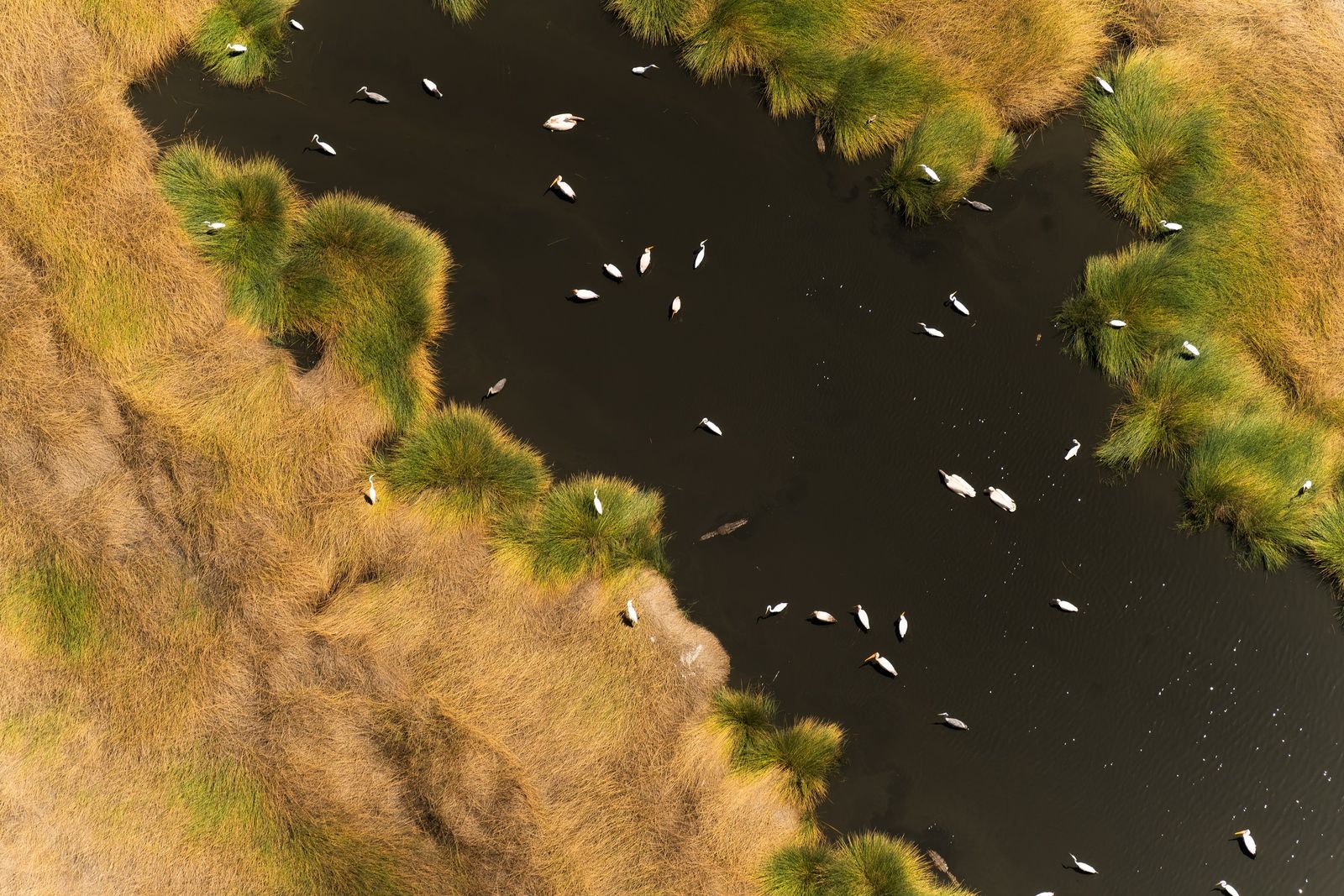
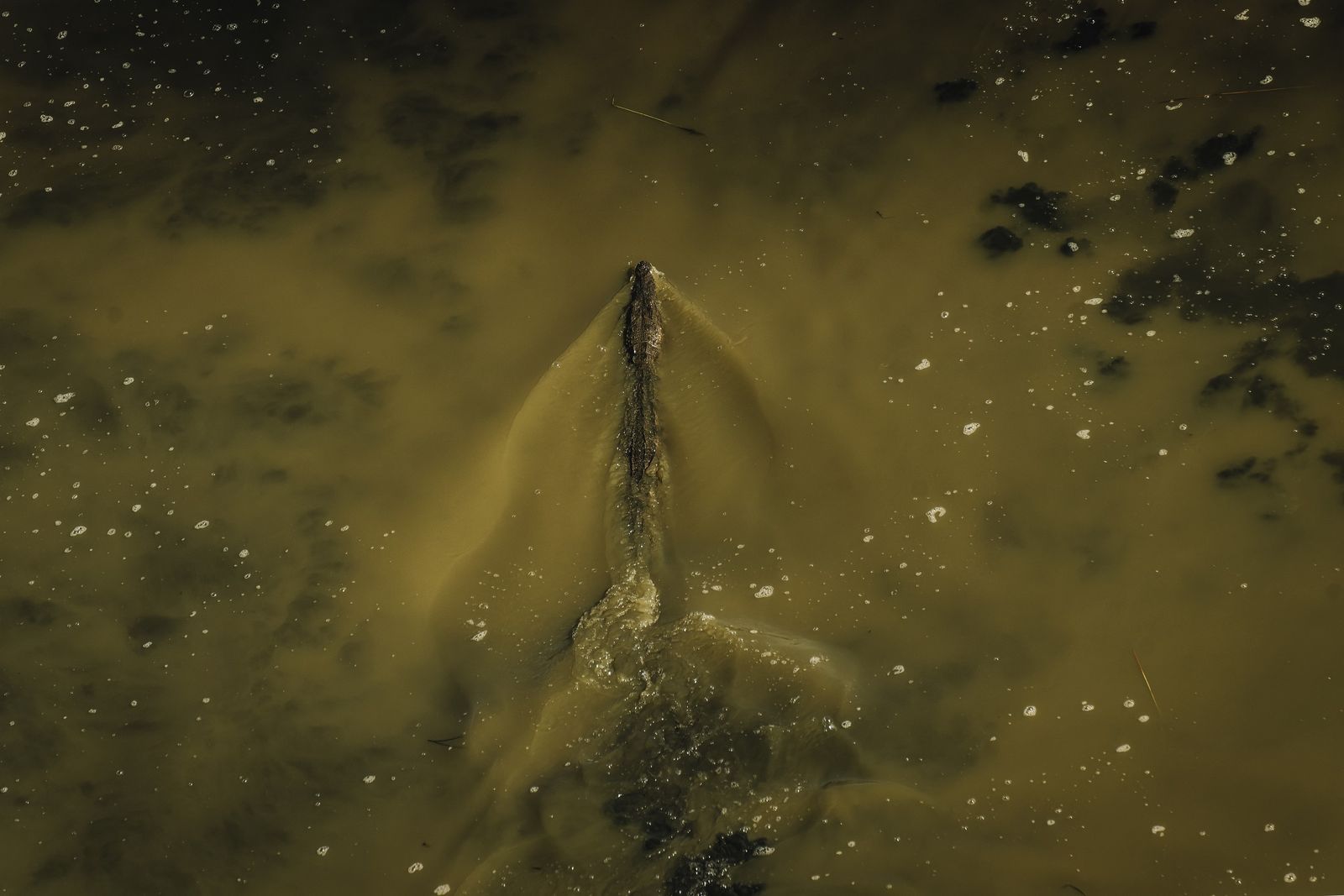
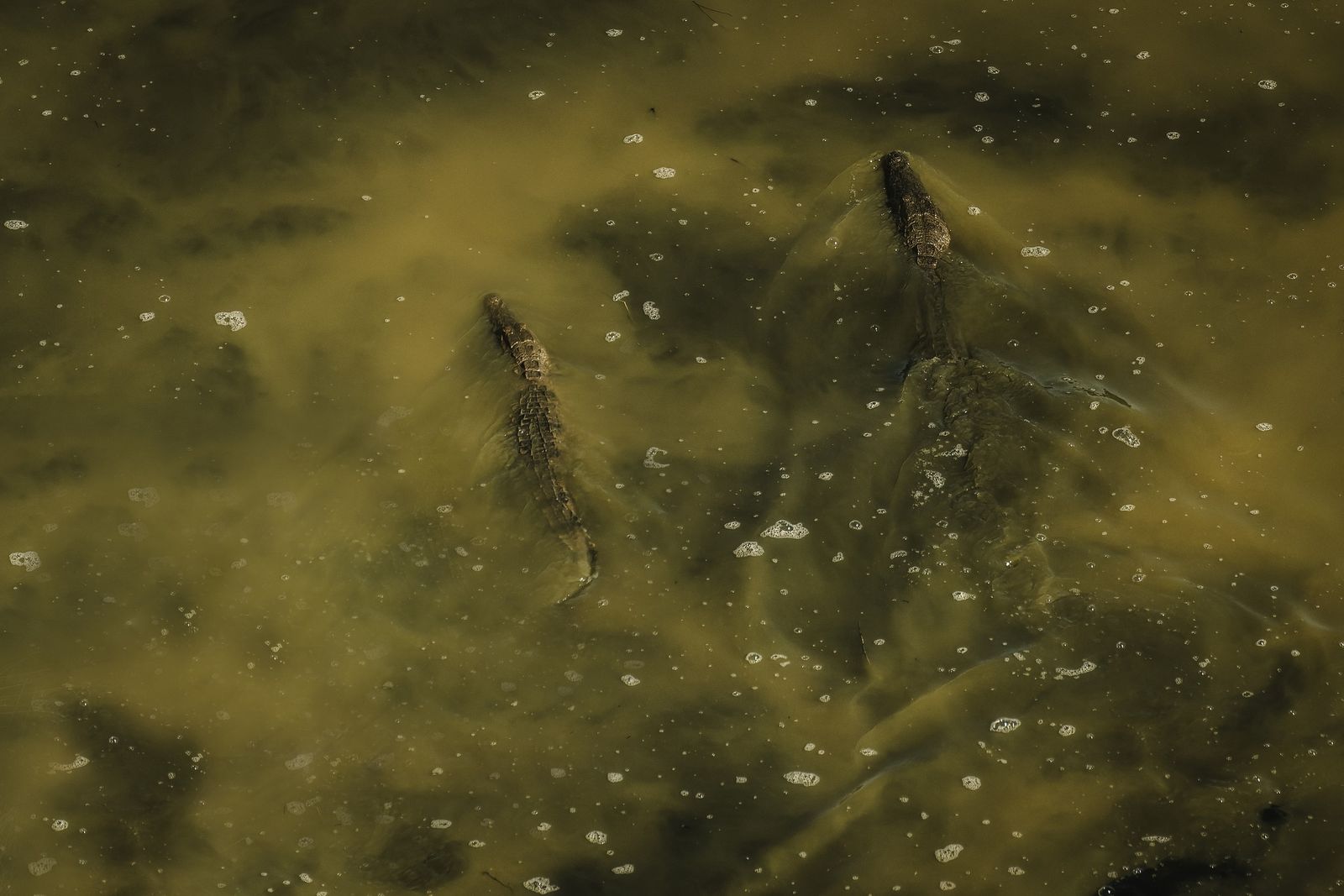
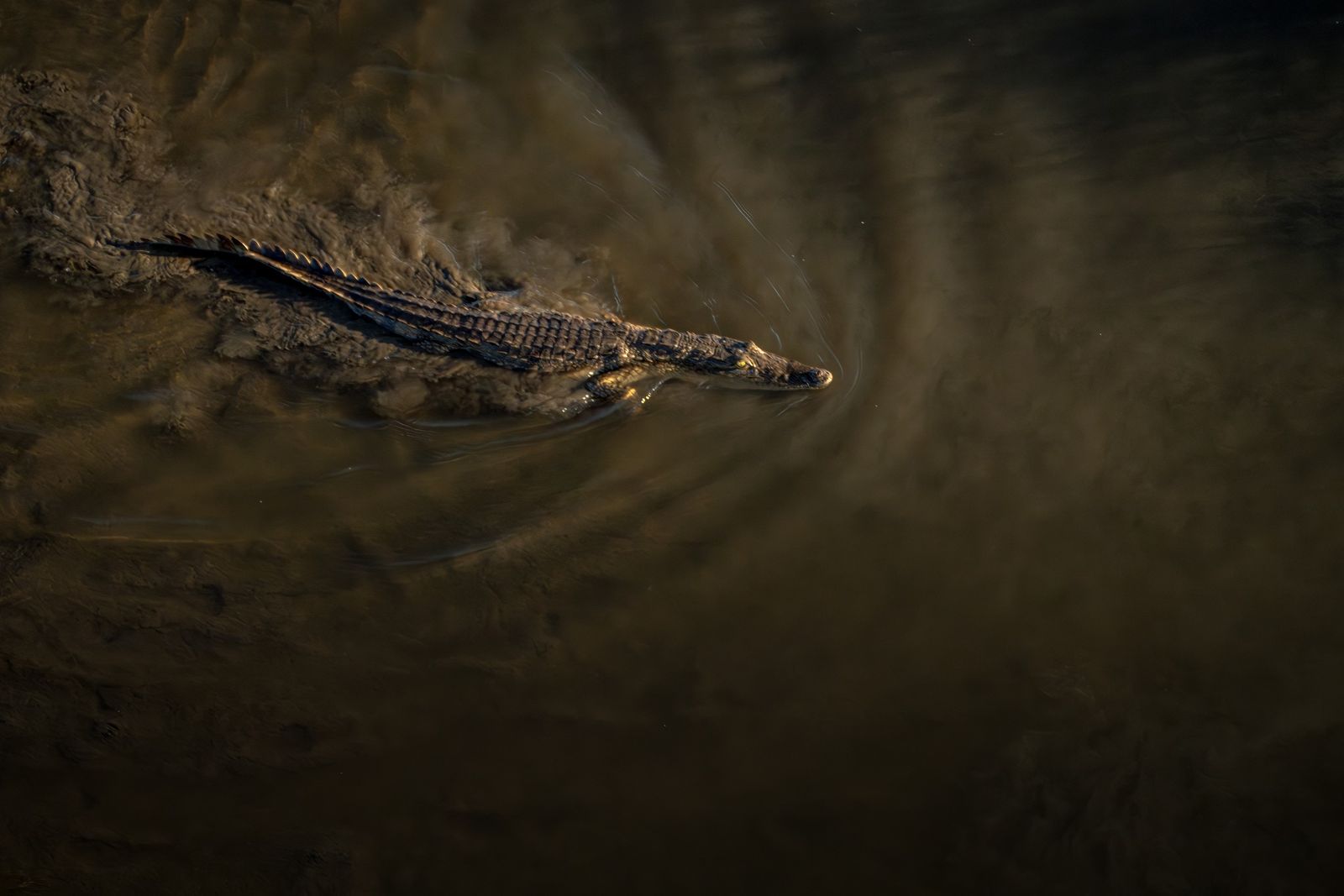
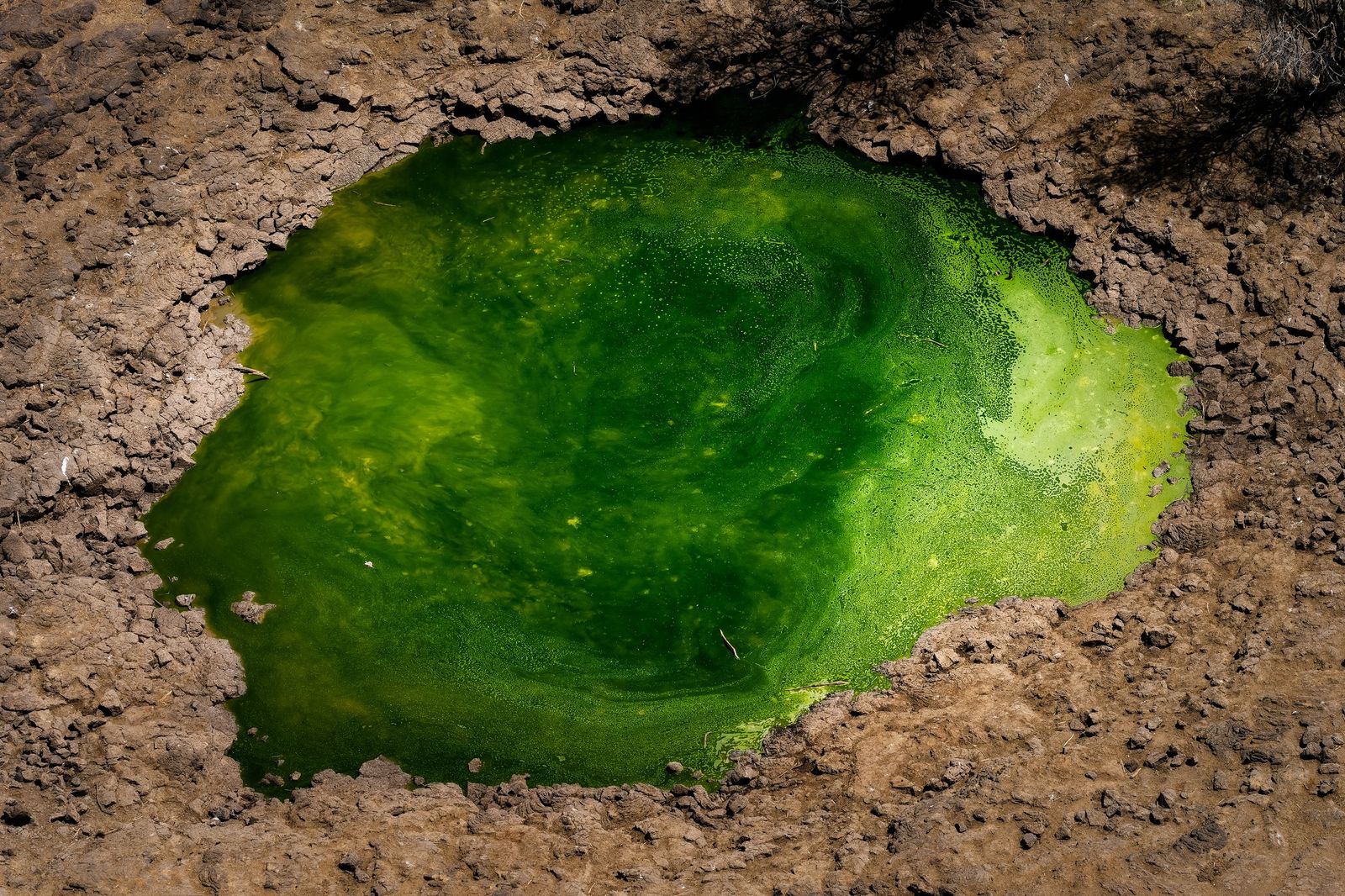
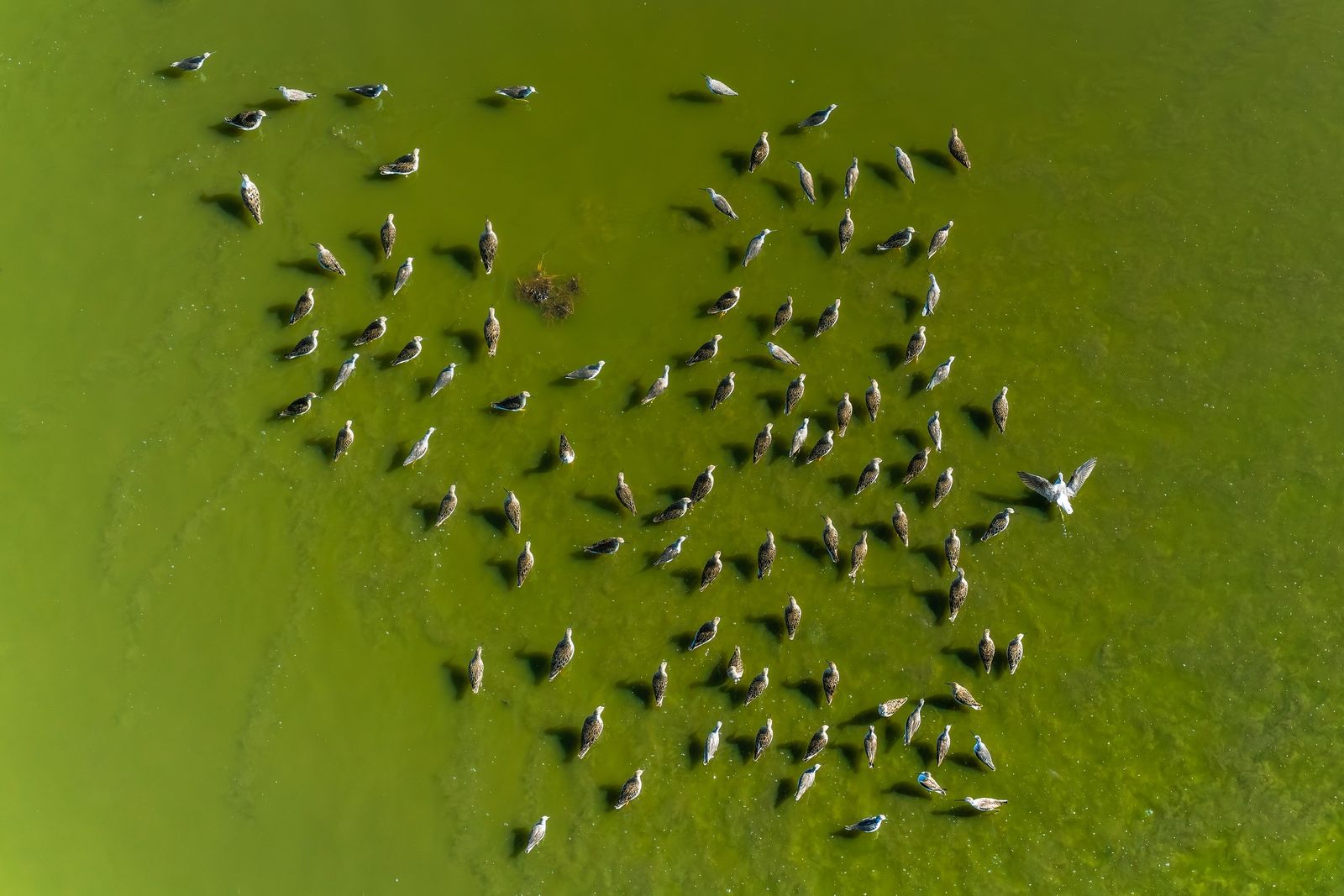
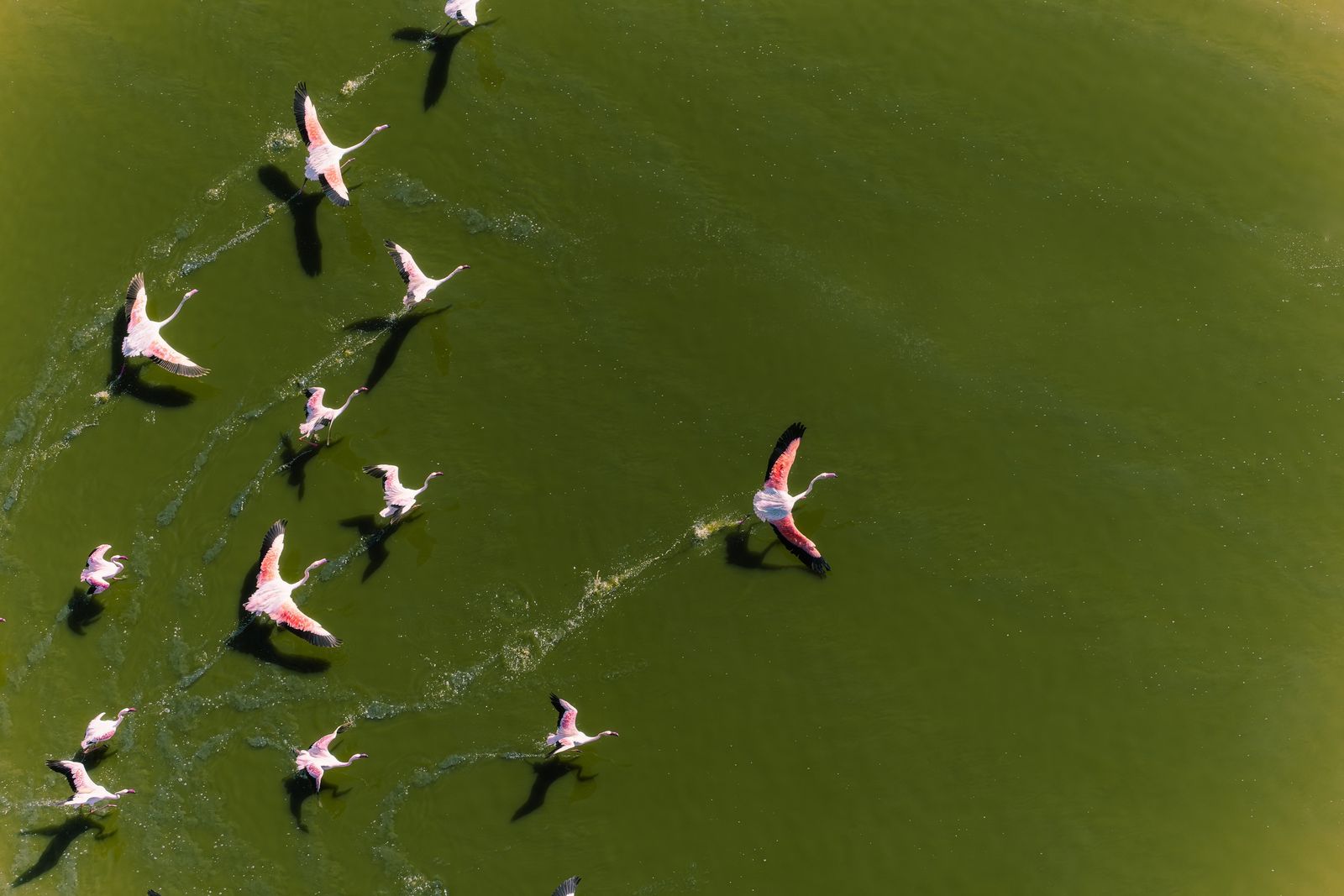
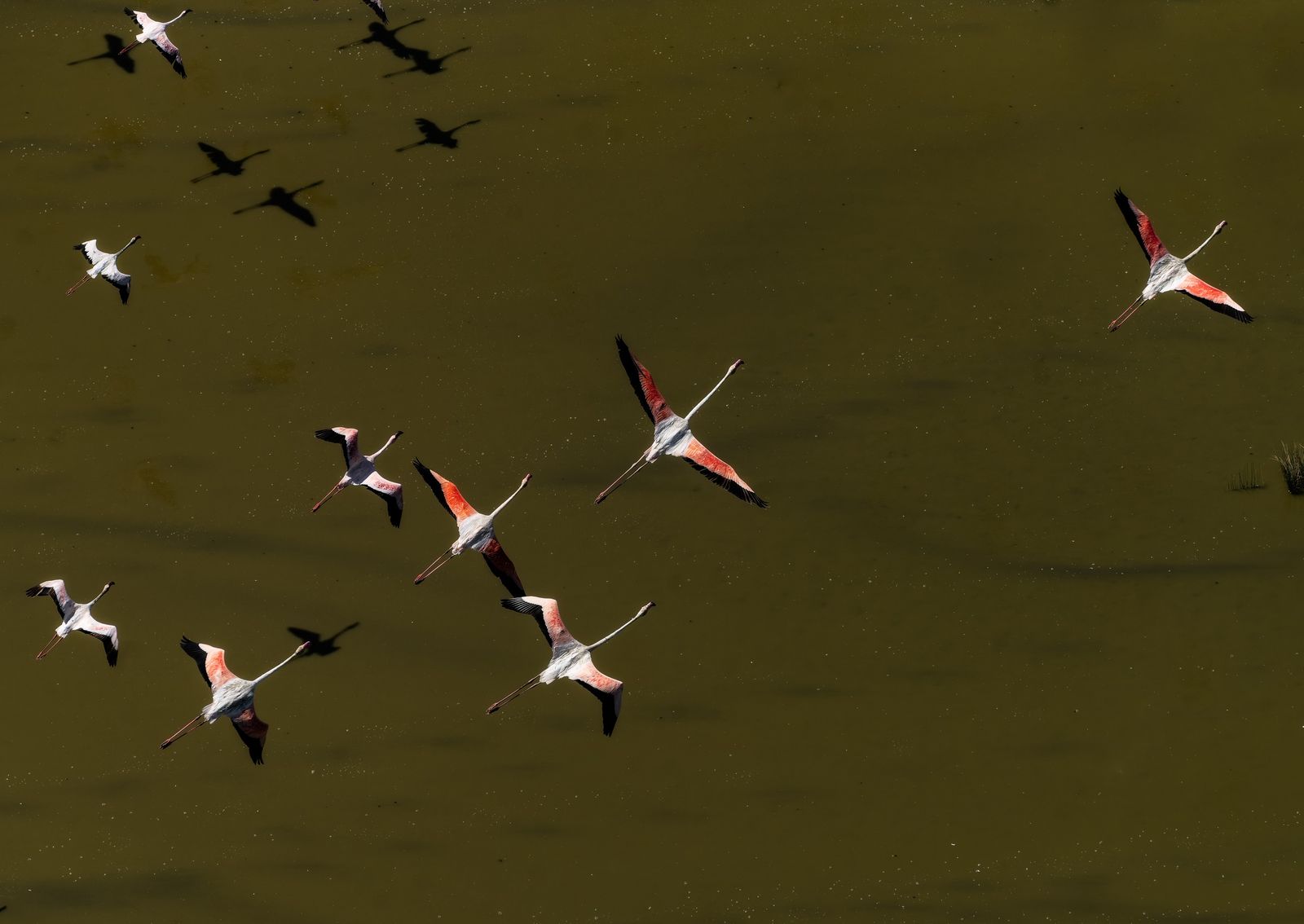
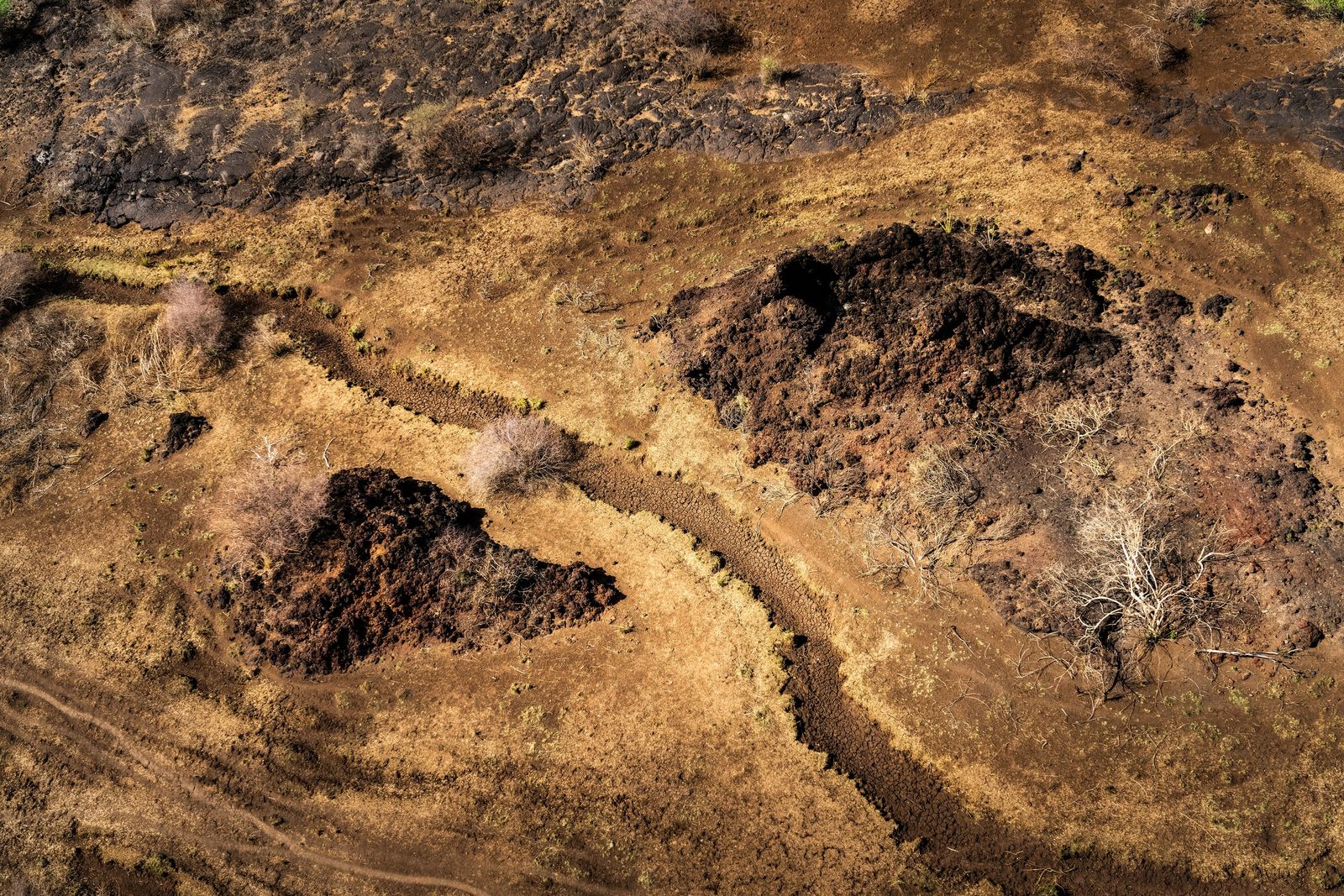
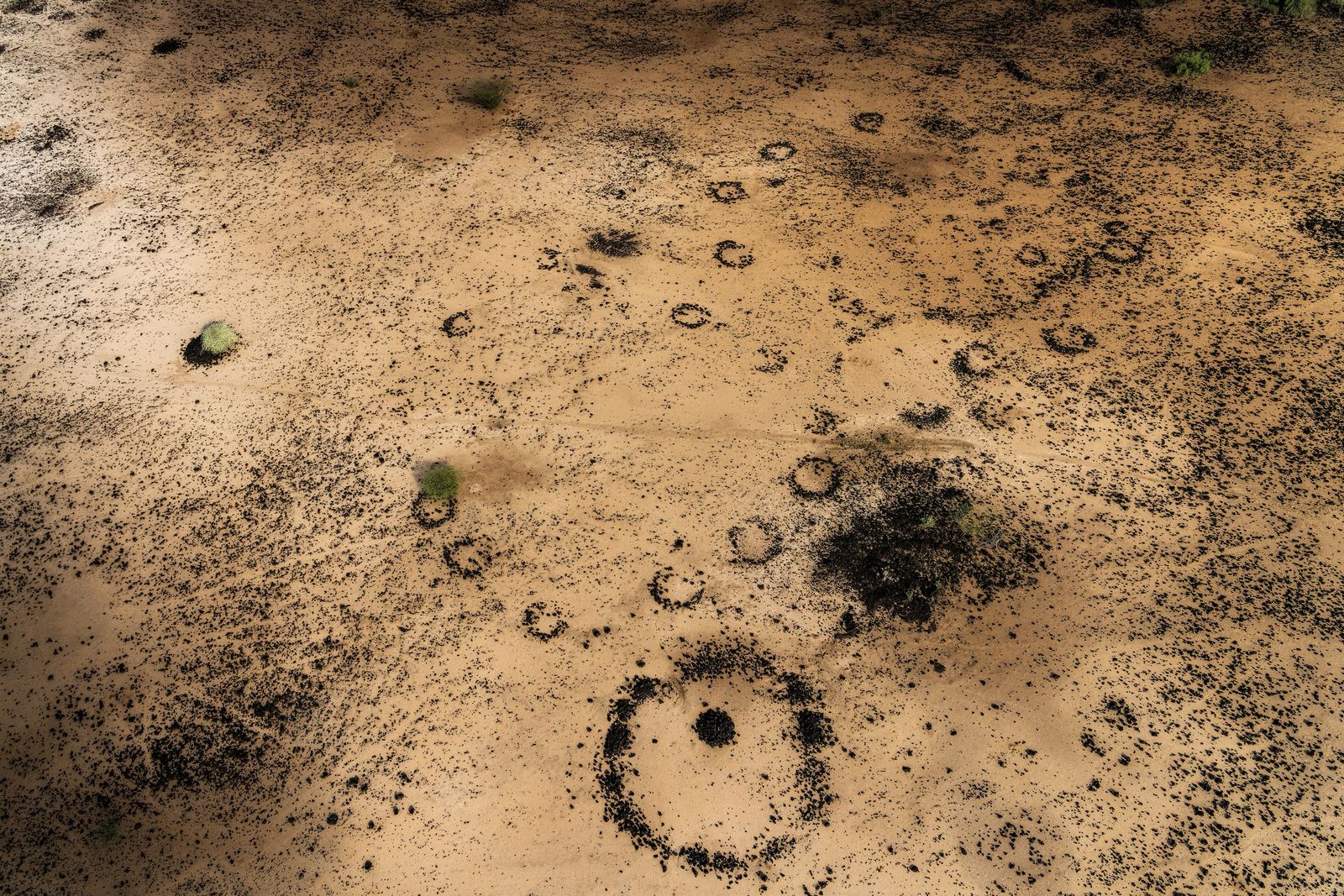
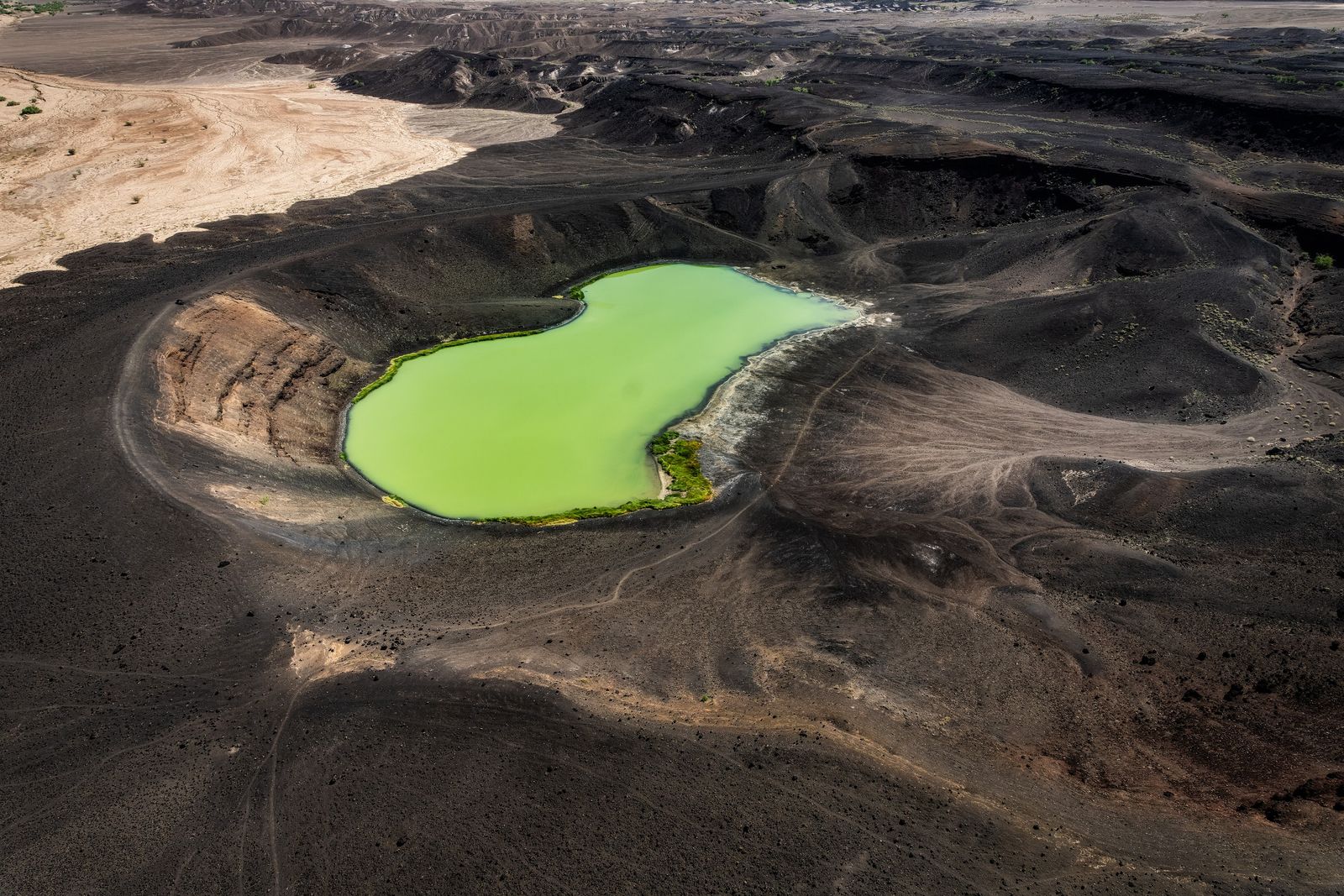
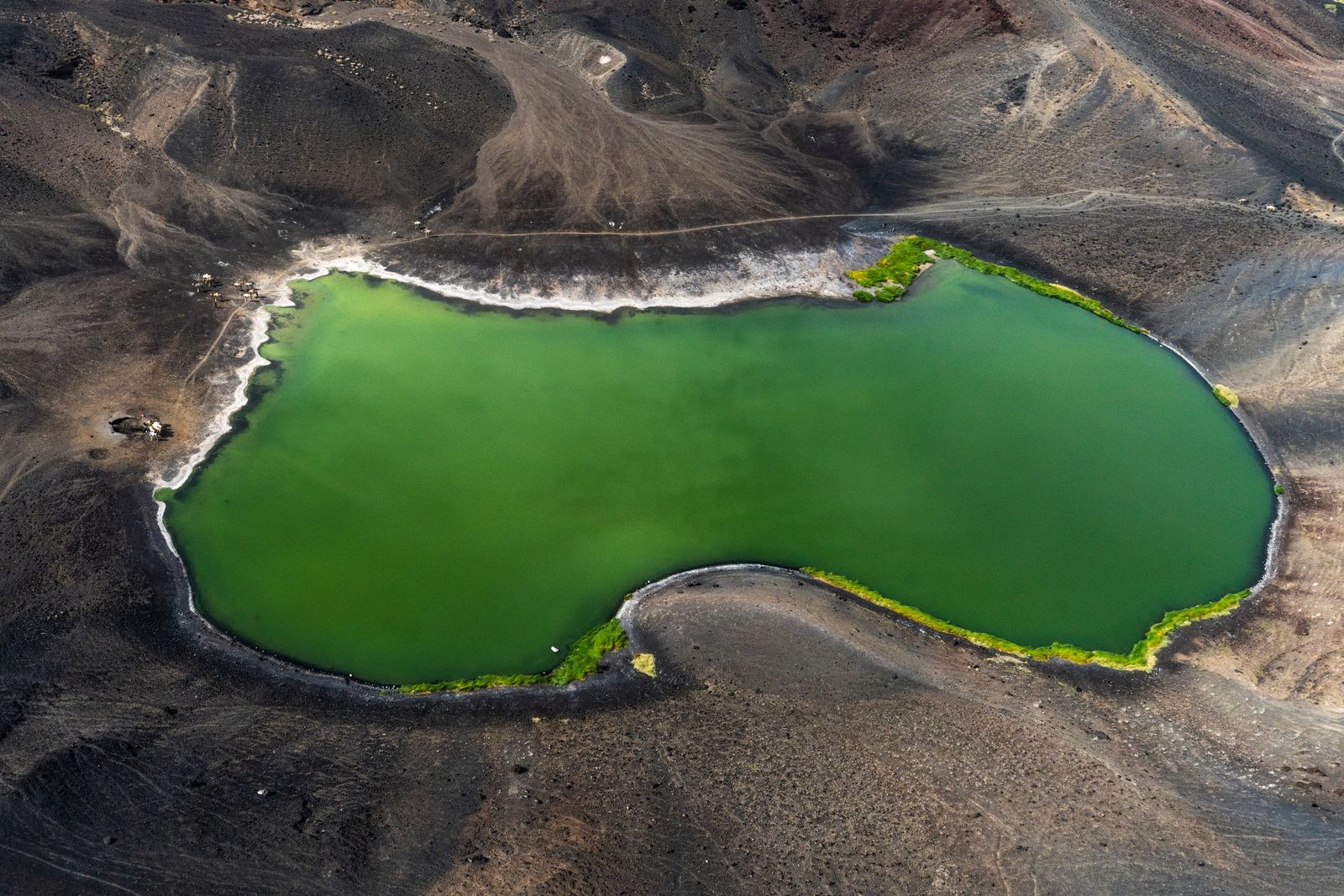
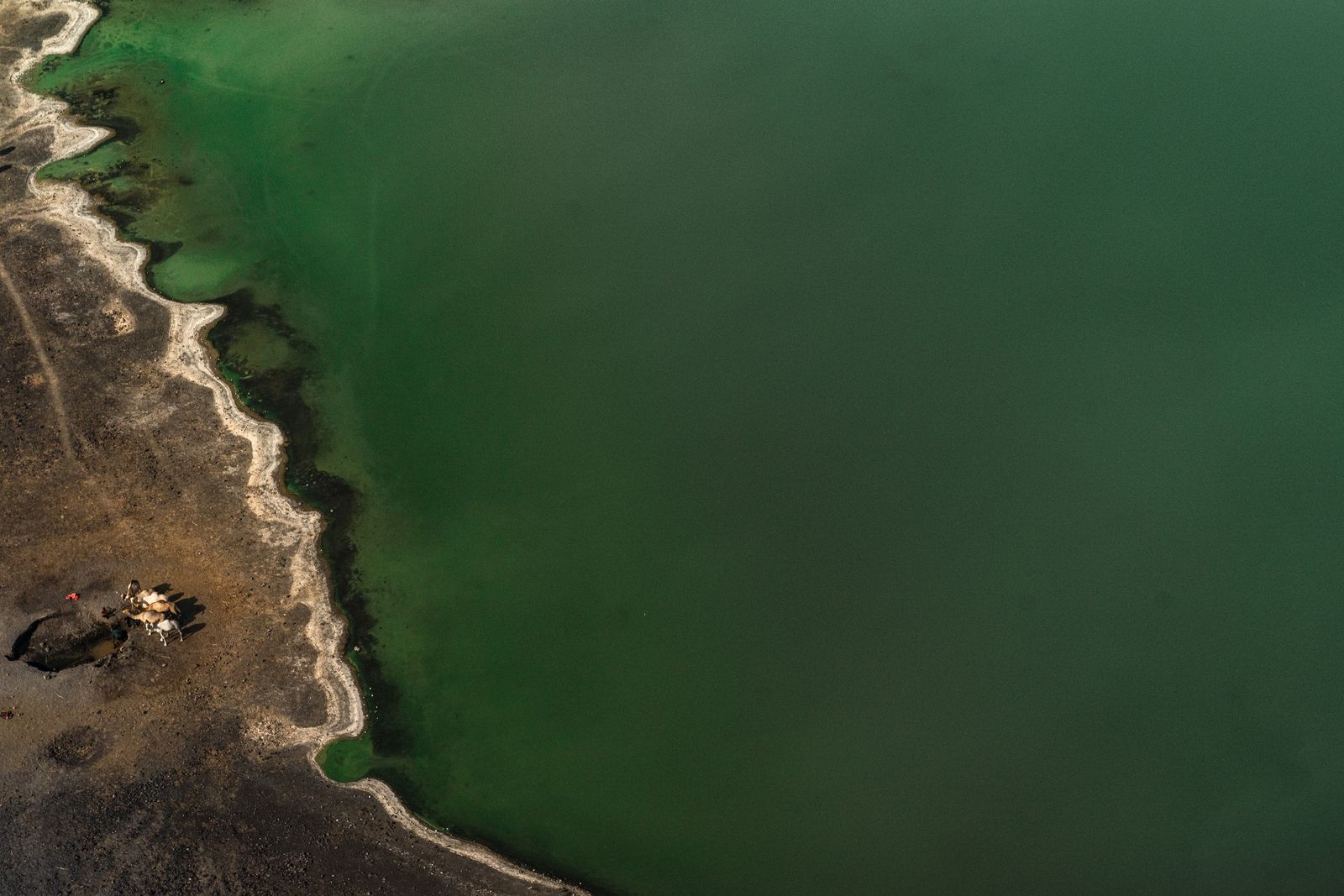
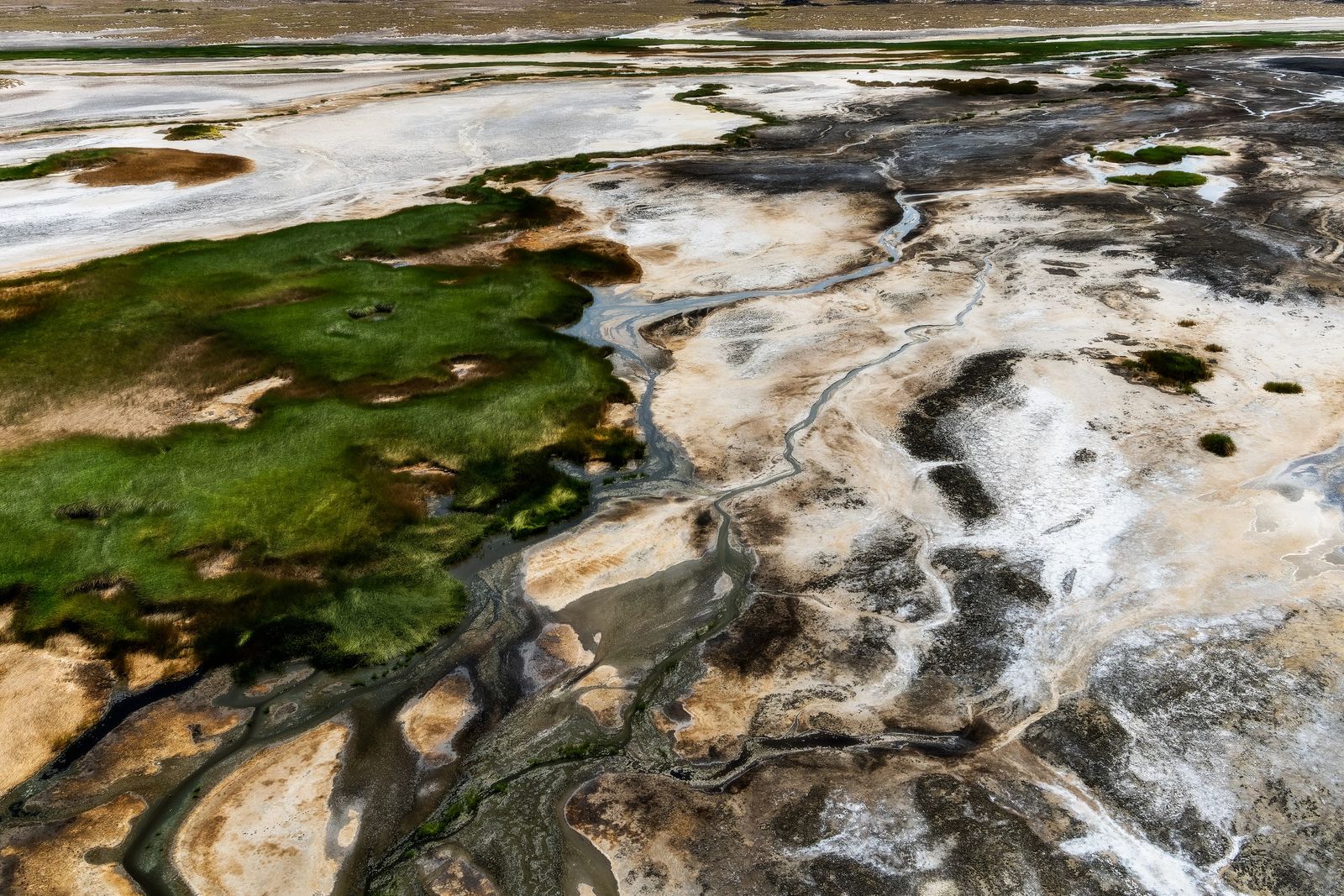
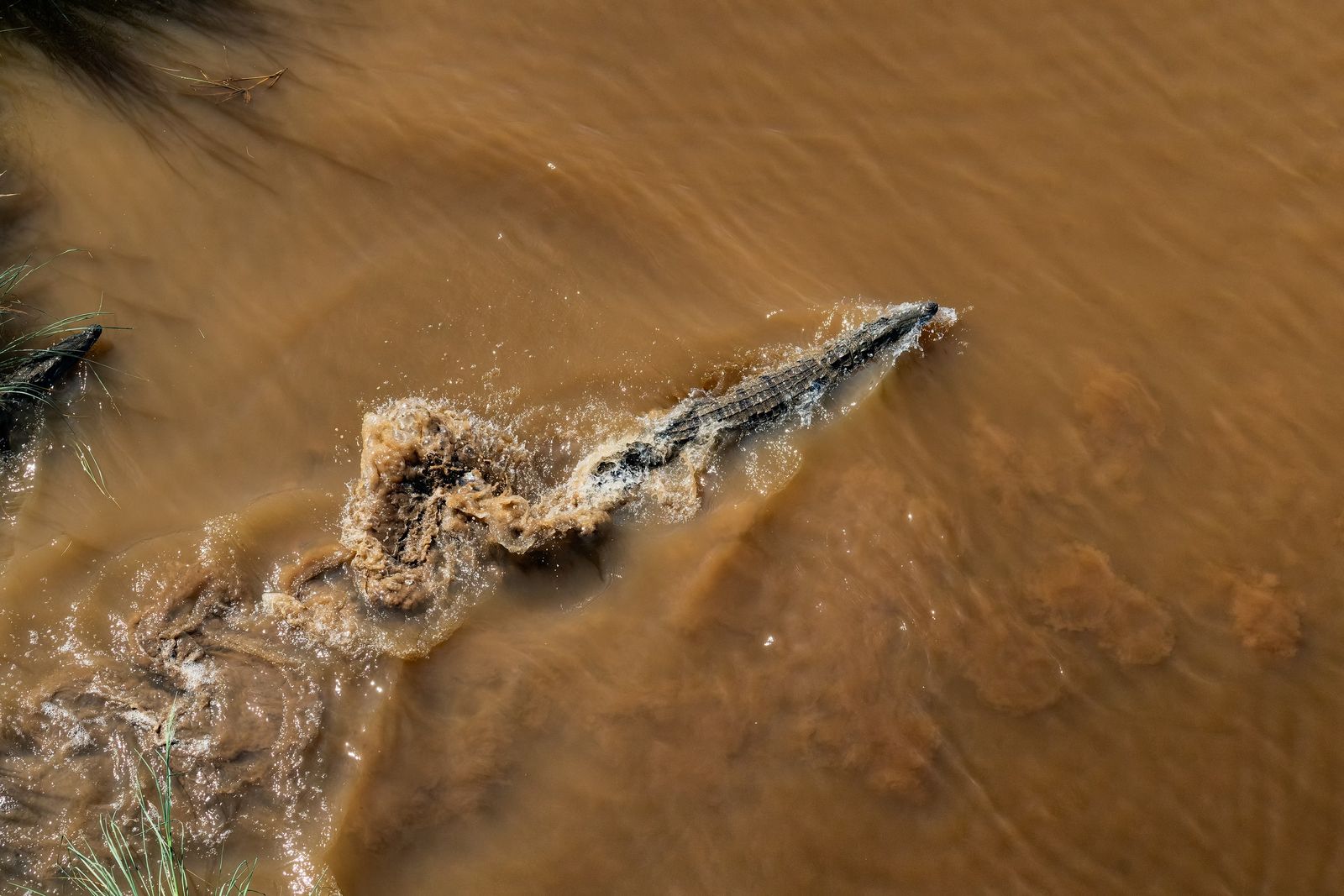
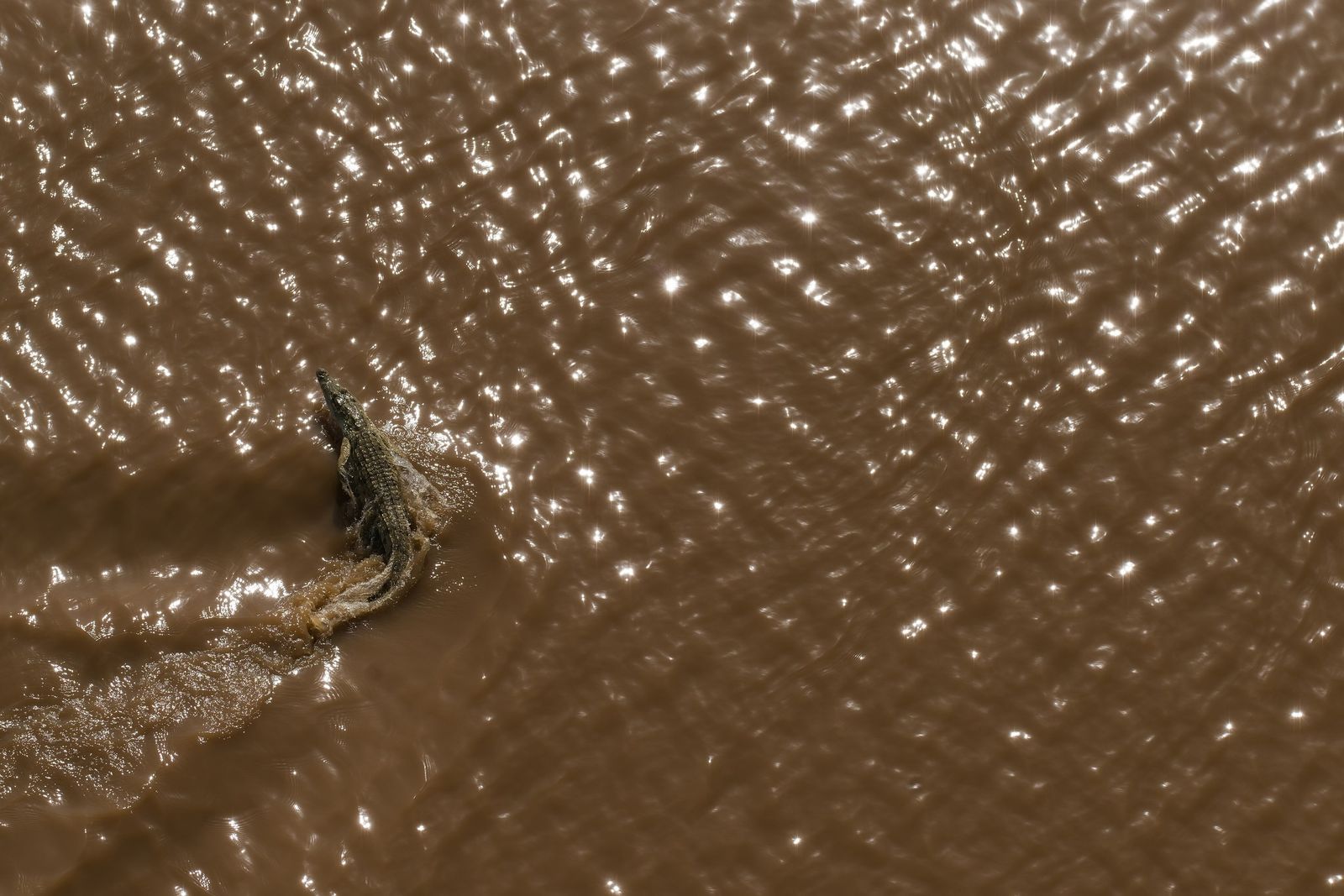
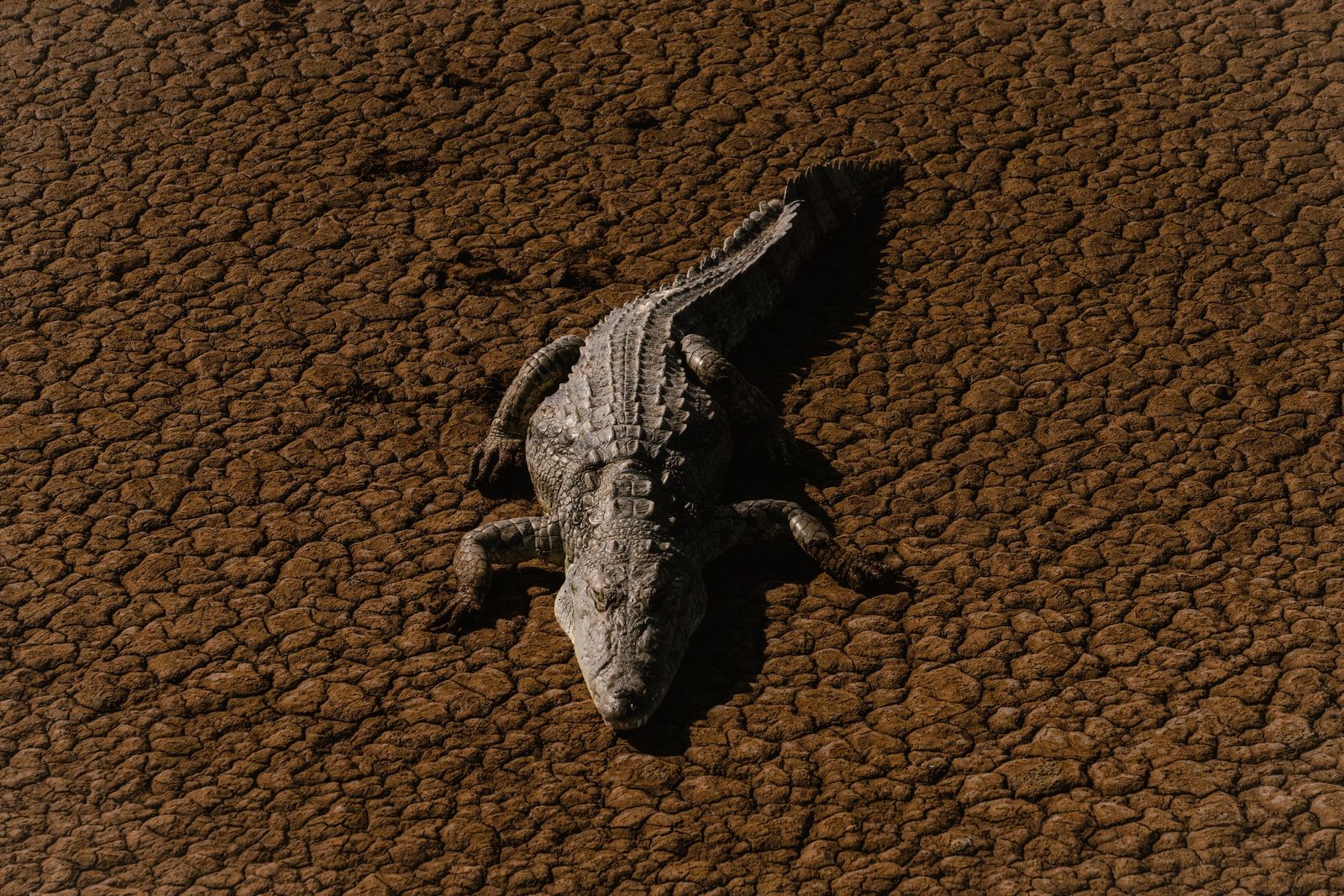
We enter the valley in the south, where the Suguta River comes out of the hills and onto the floor of the Rift. The grey plains are silt from the old lake. Black lava has run down onto them and stopped, and springs rise at its foot and fill hollows in the rock, where algae turn the water a green so strong it looks painted. Herders bring their camels across the flats from one patch of grazing to the next, and crocodiles live in the river and the larger pools.
Sand Dunes and Aruba Rock
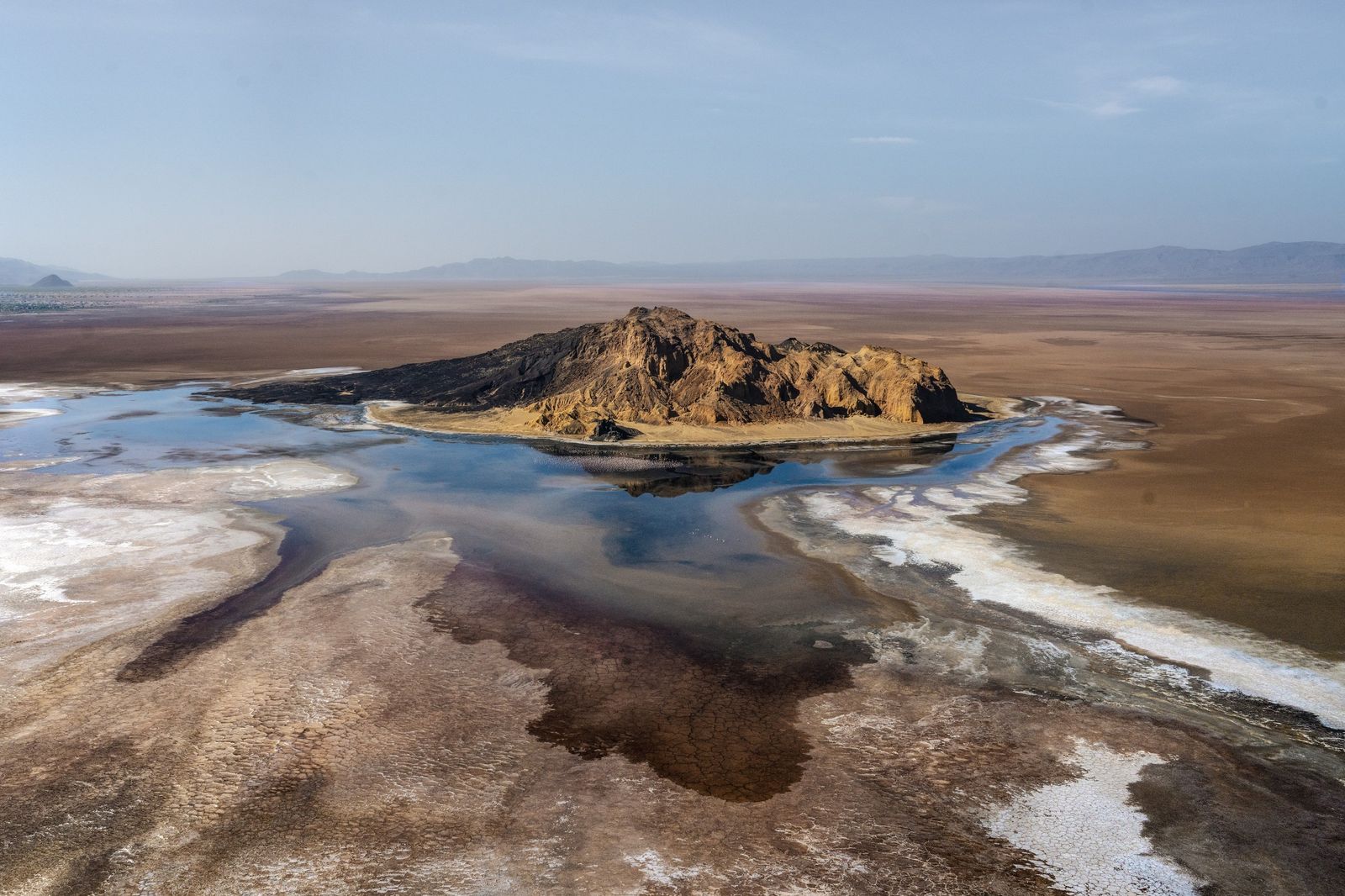
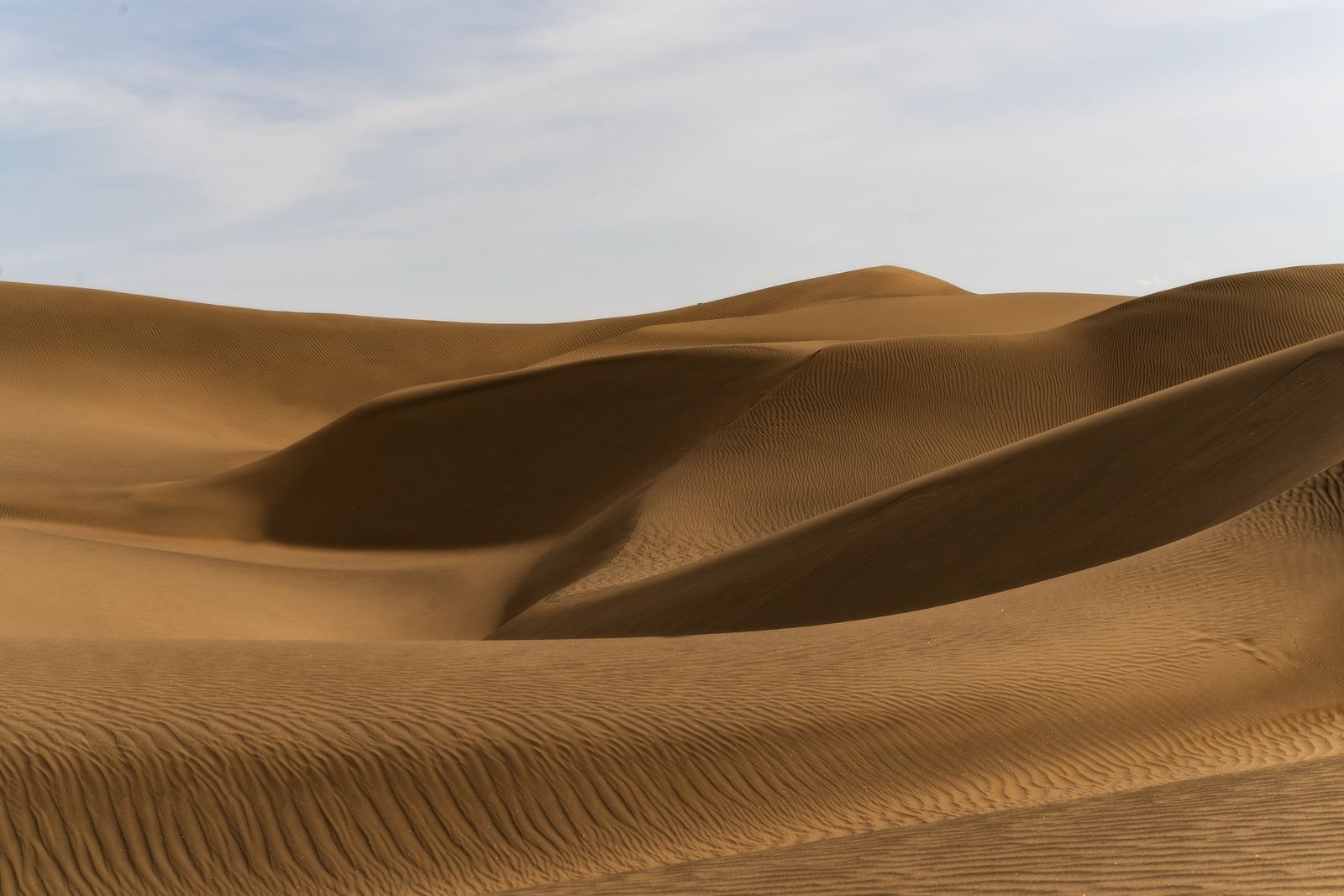
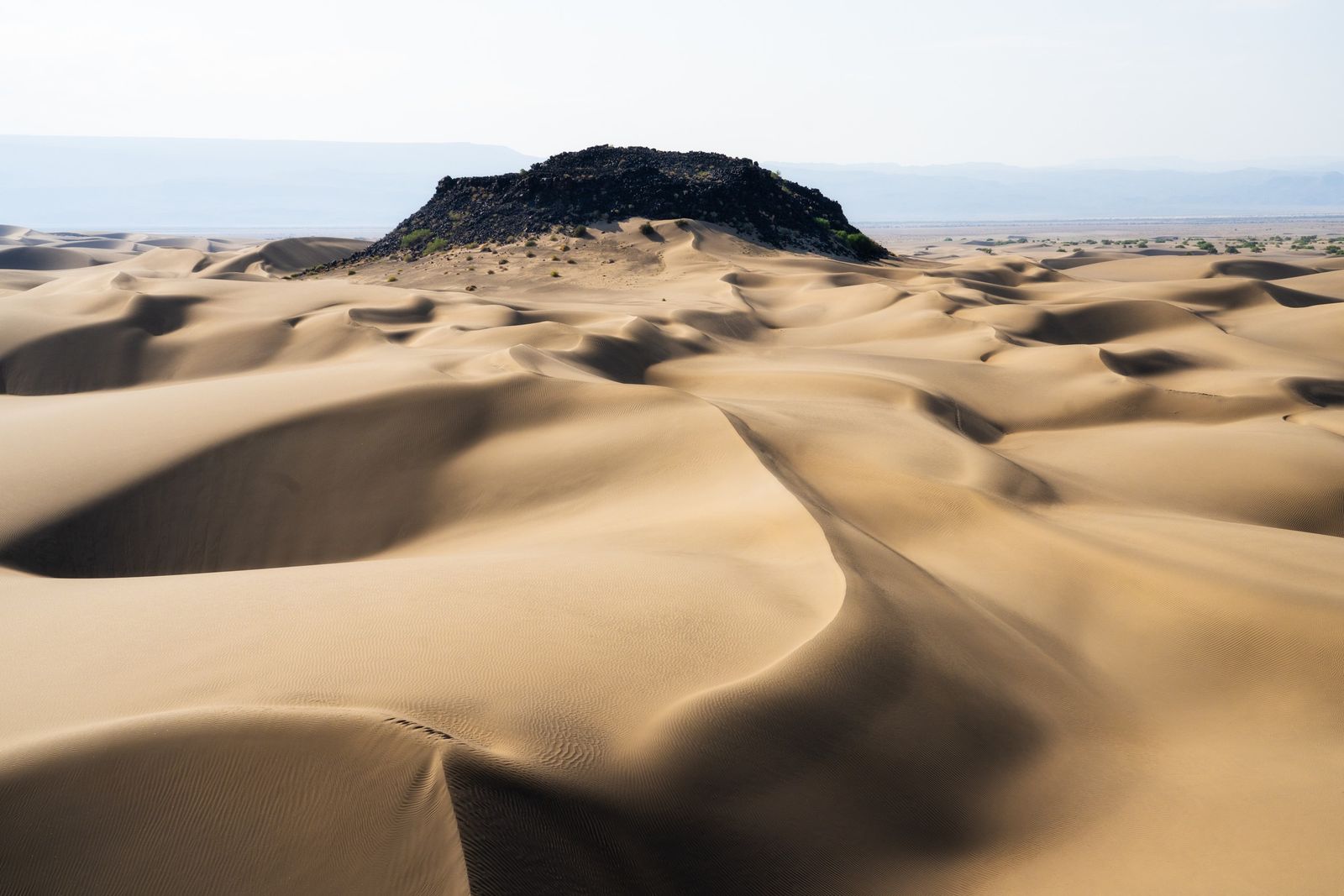
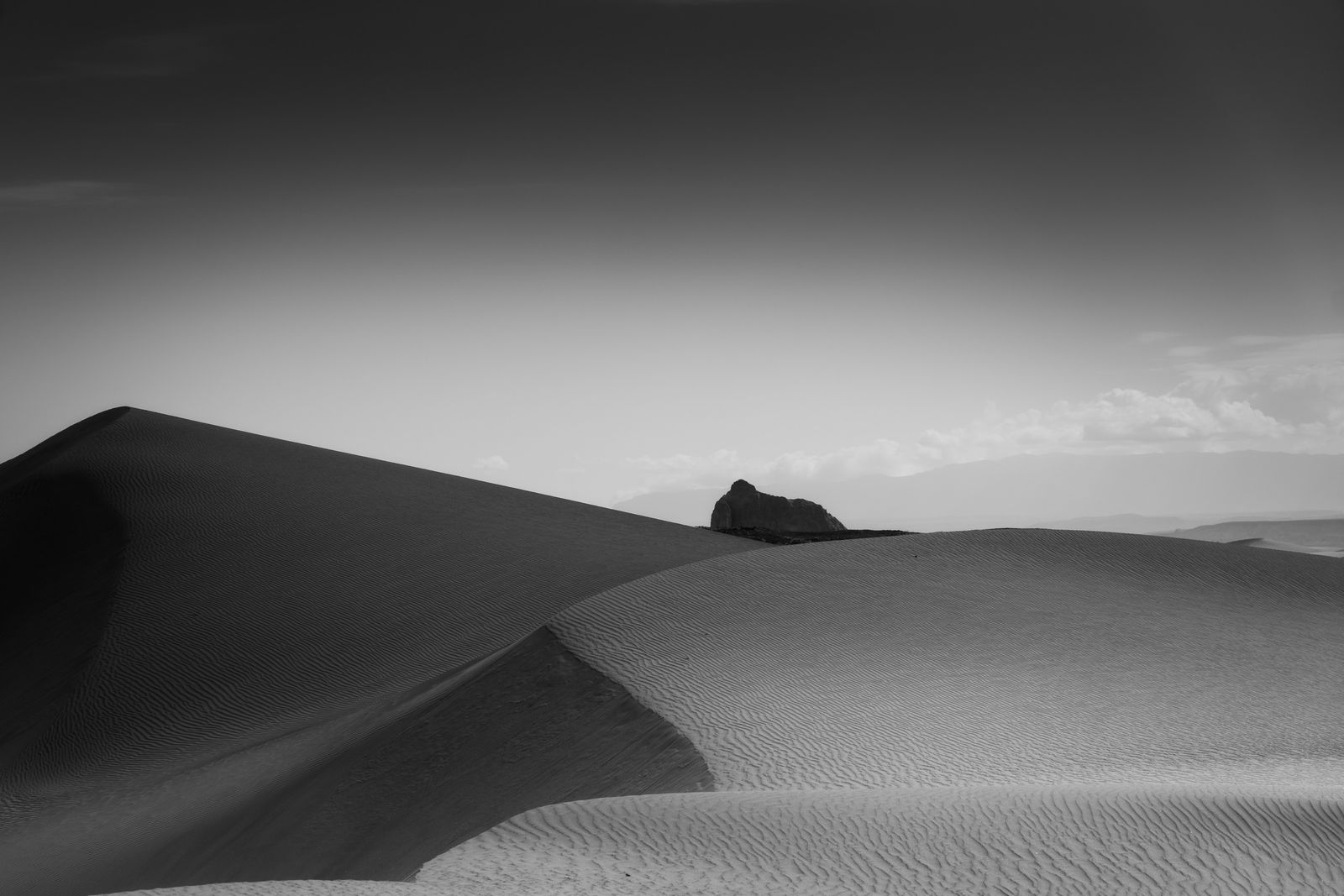
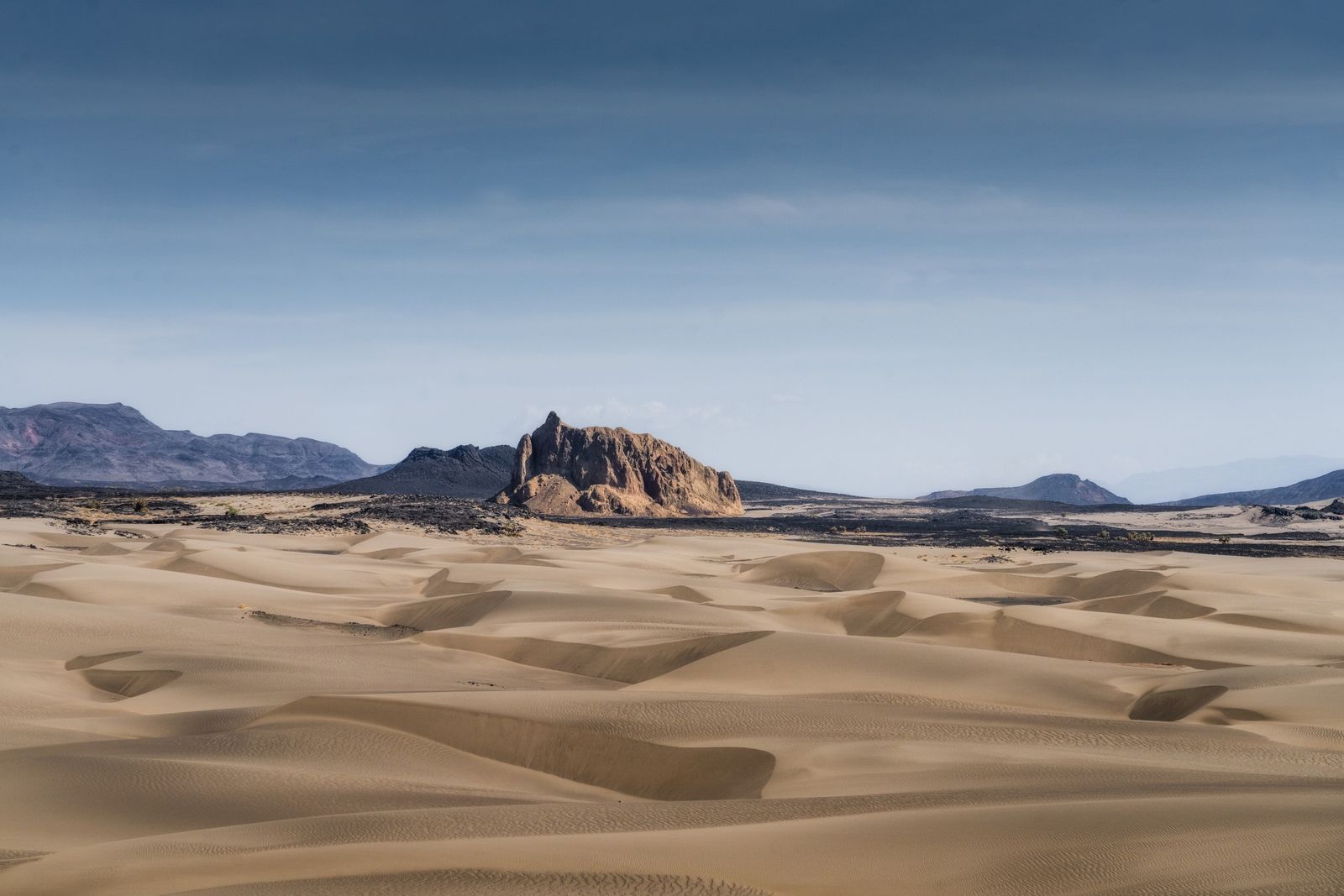
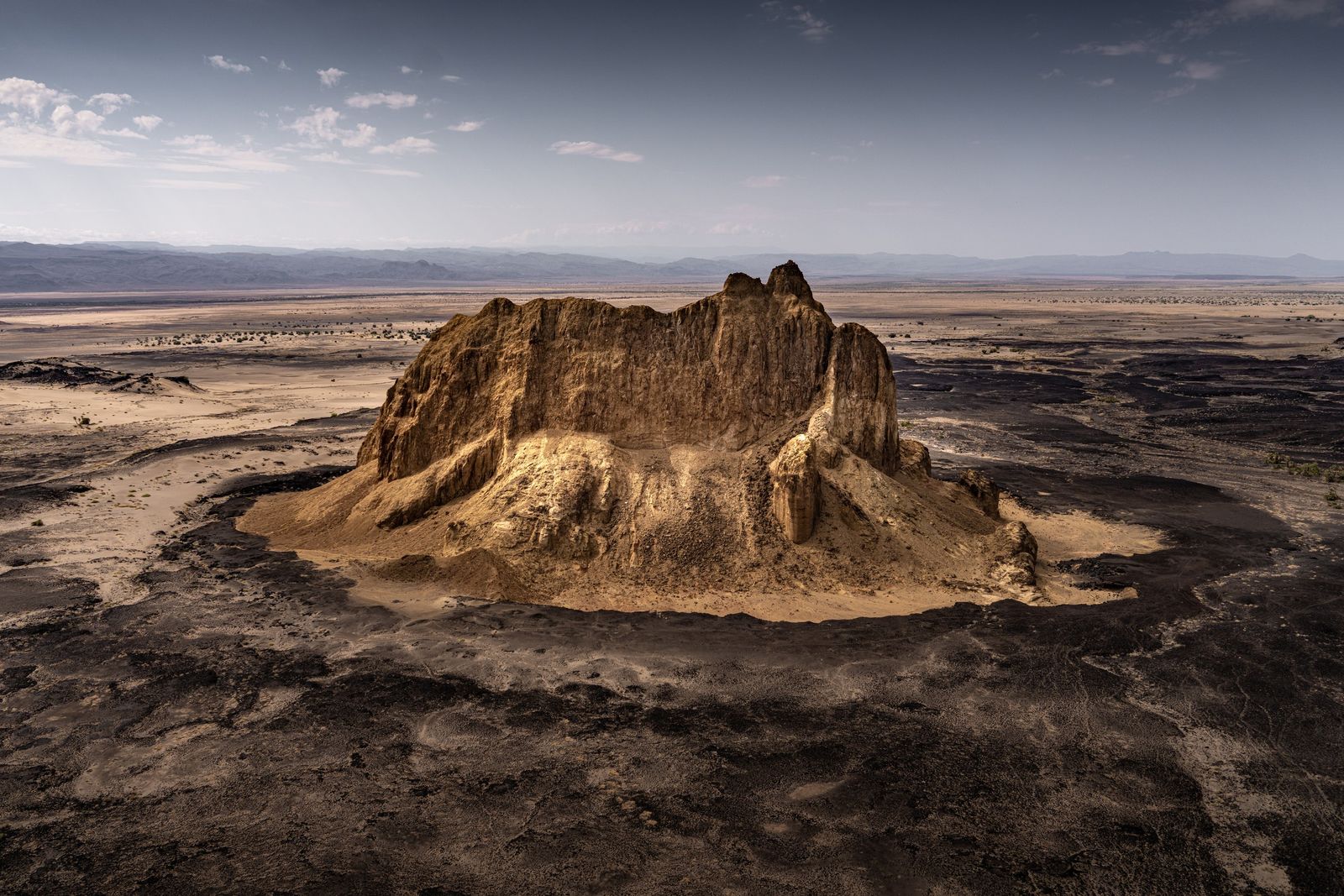
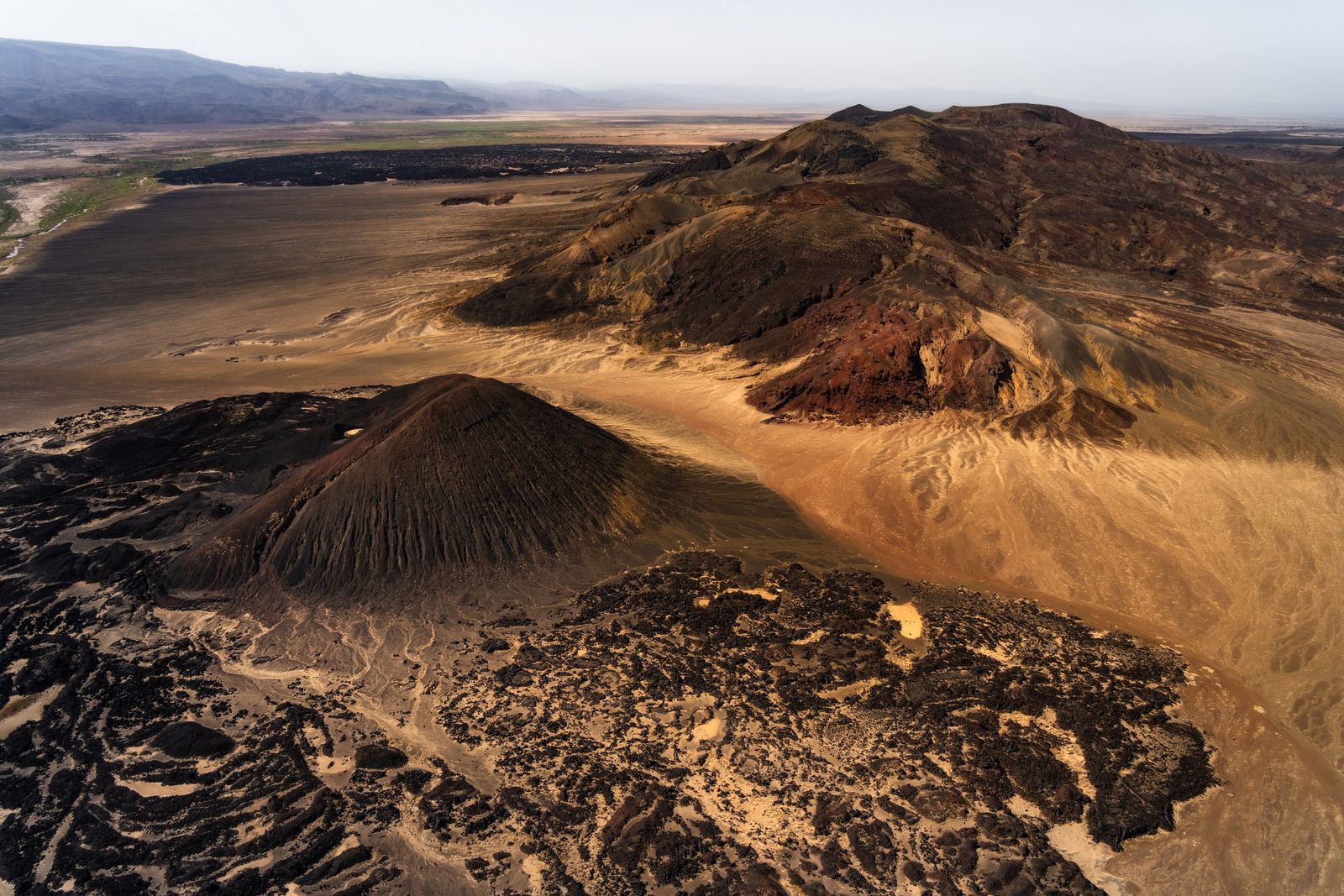
Heading north, we arrive in a surreal desert landscape. The east wind has blown the old lake's sand into dunes and piled them against the western wall of the Rift, where the wind drops. Black cinder cones stand among the dunes, and behind them rise the broad, low volcanoes that built the valley floor. Aruba Rock is the pale remnant of a small, old volcano, ringed by younger black lava.
Northern Suguta
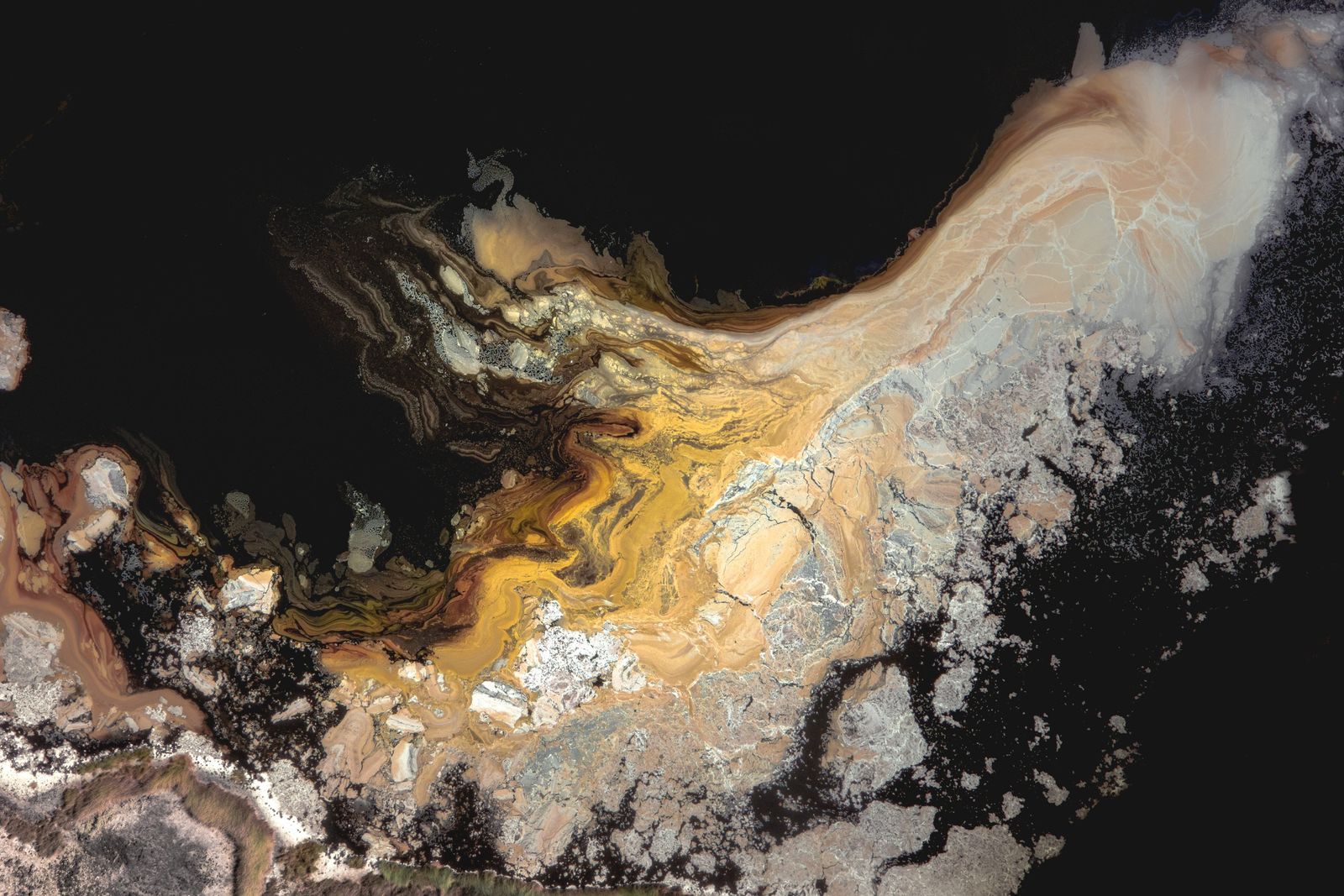
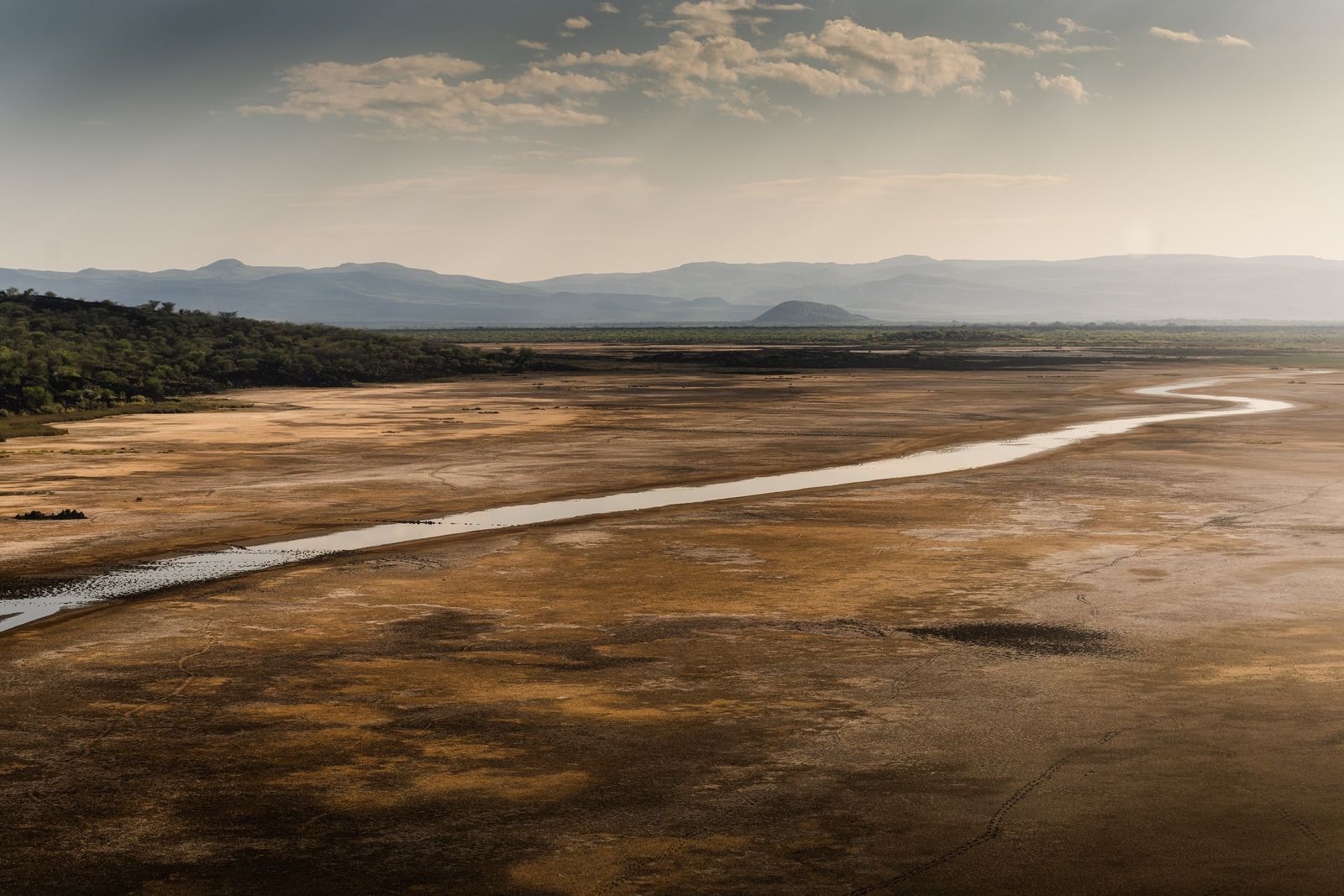
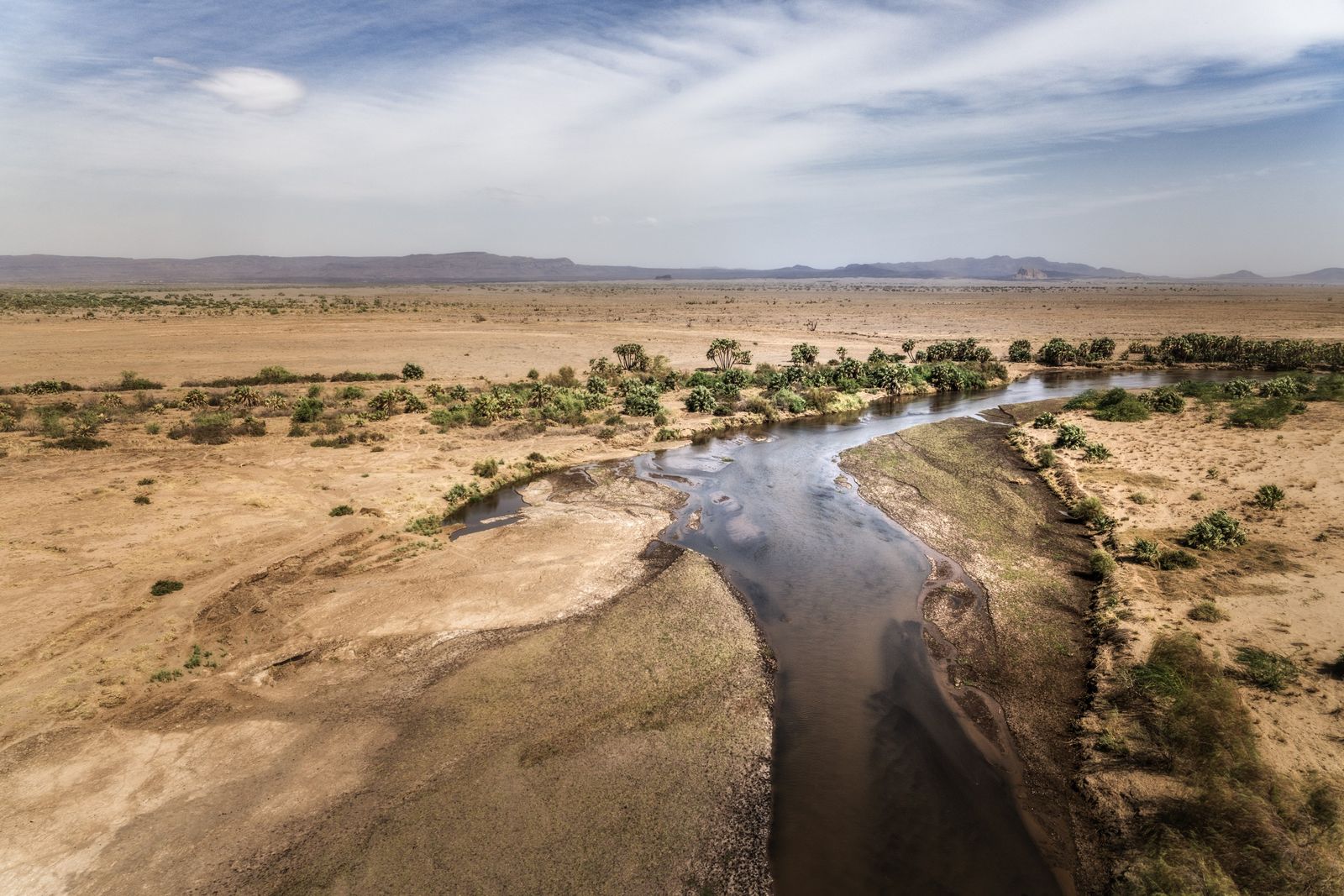
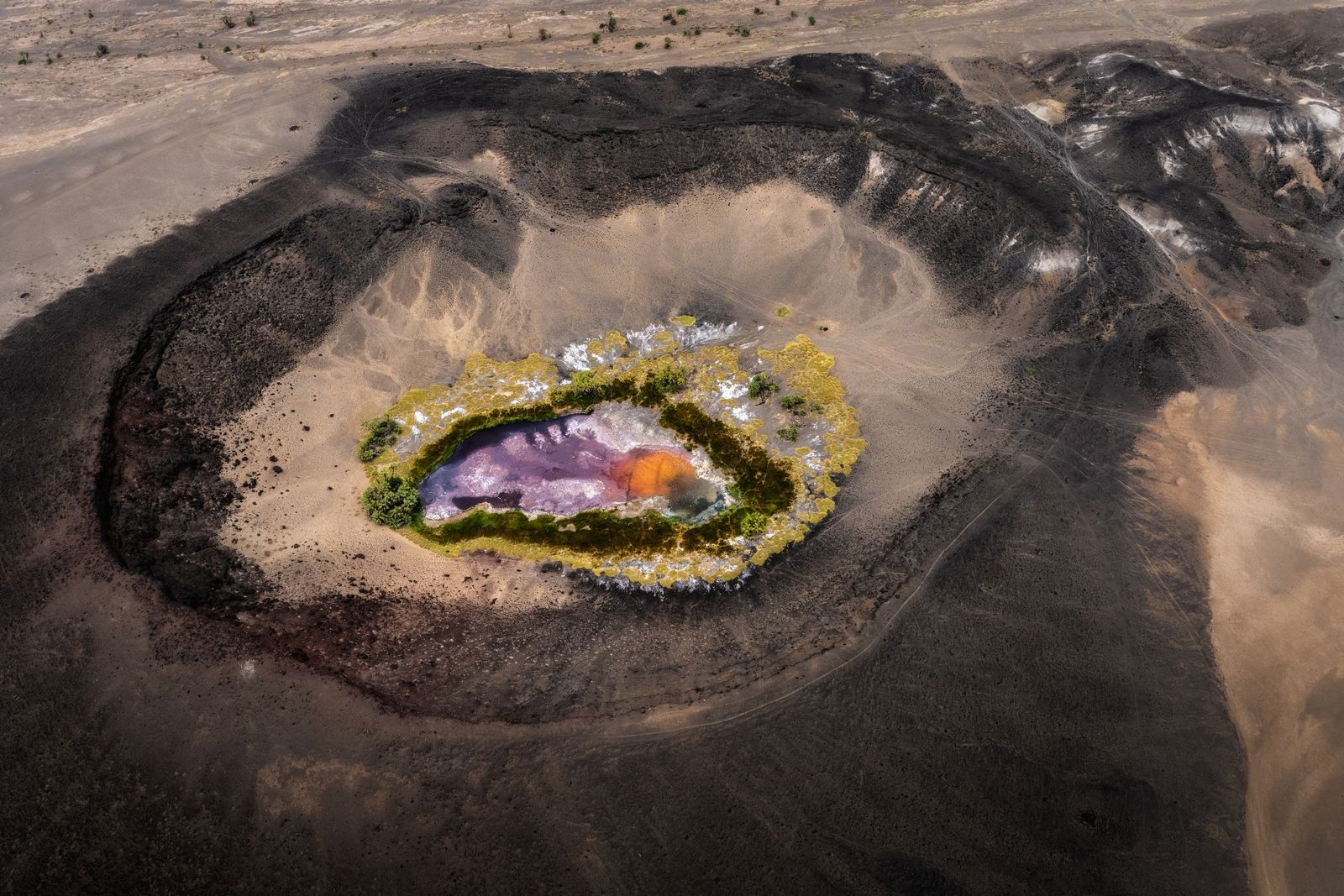
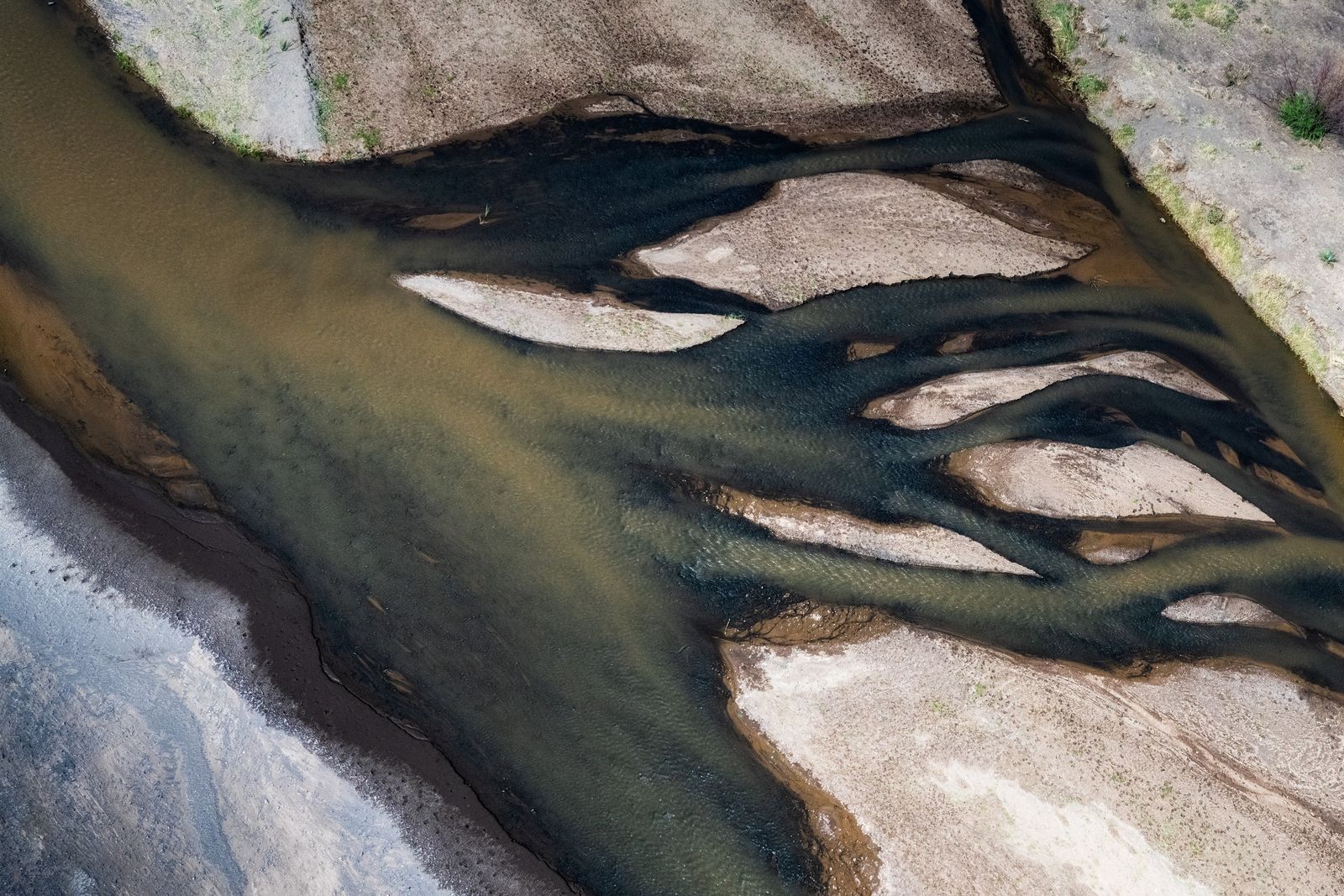
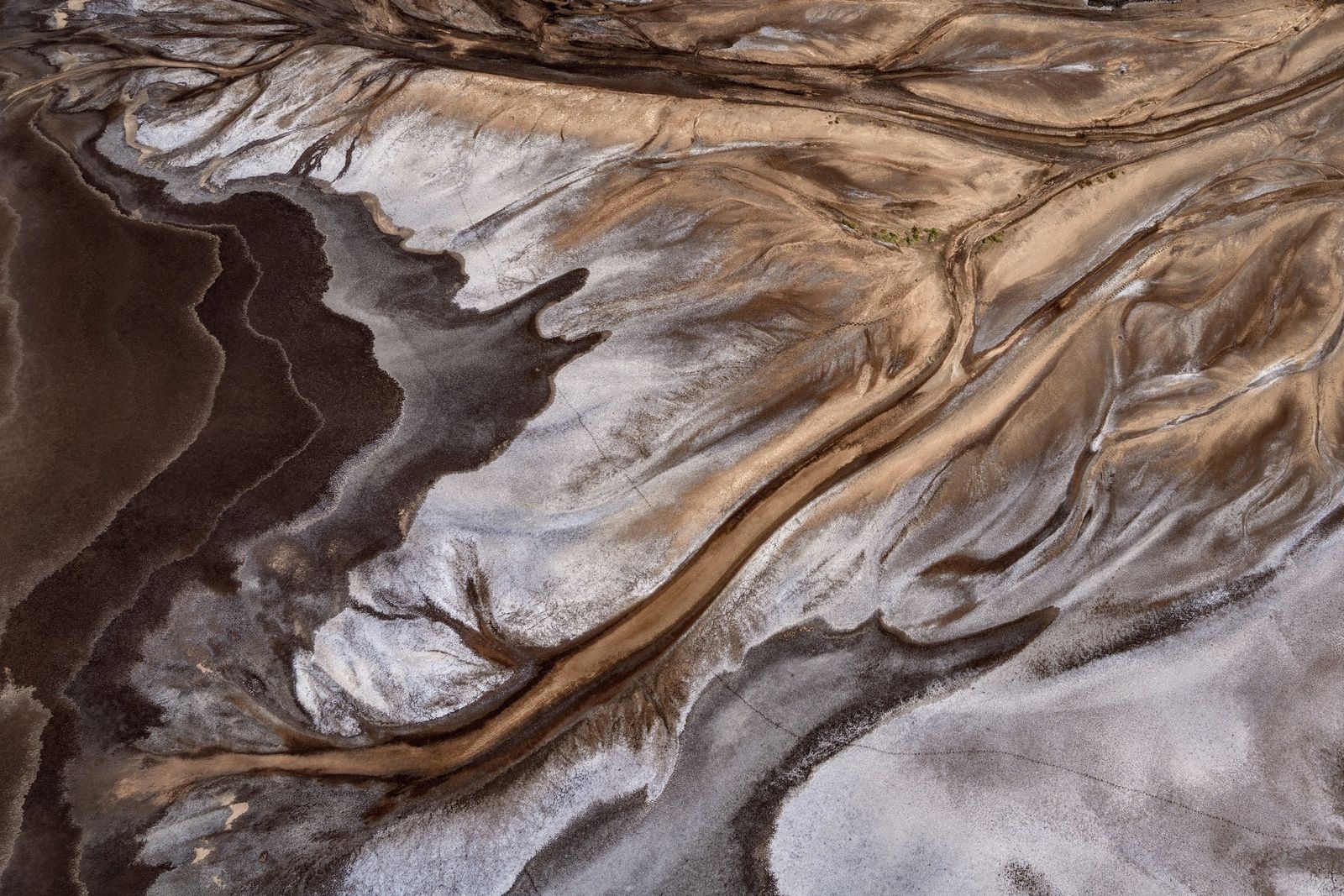
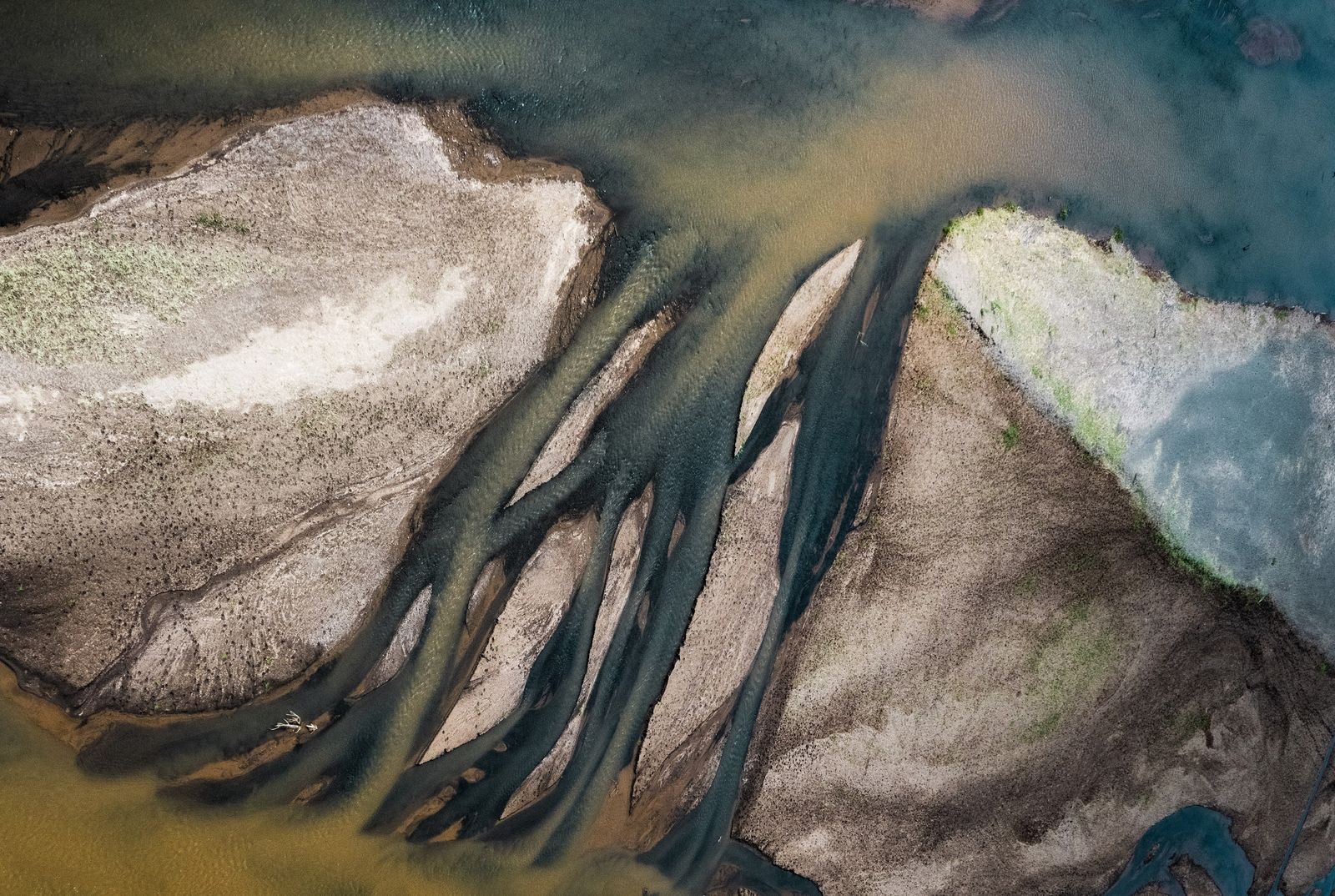
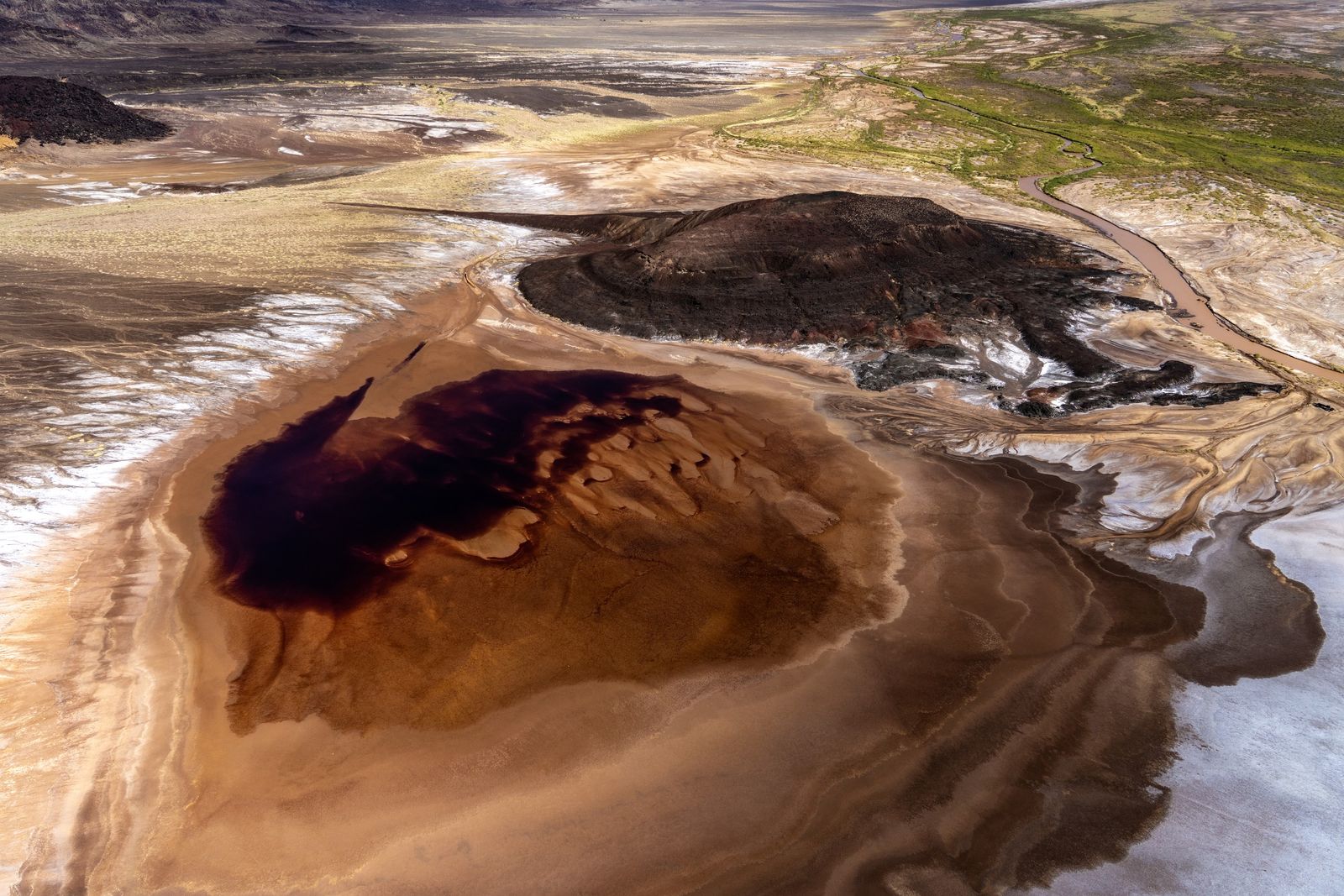
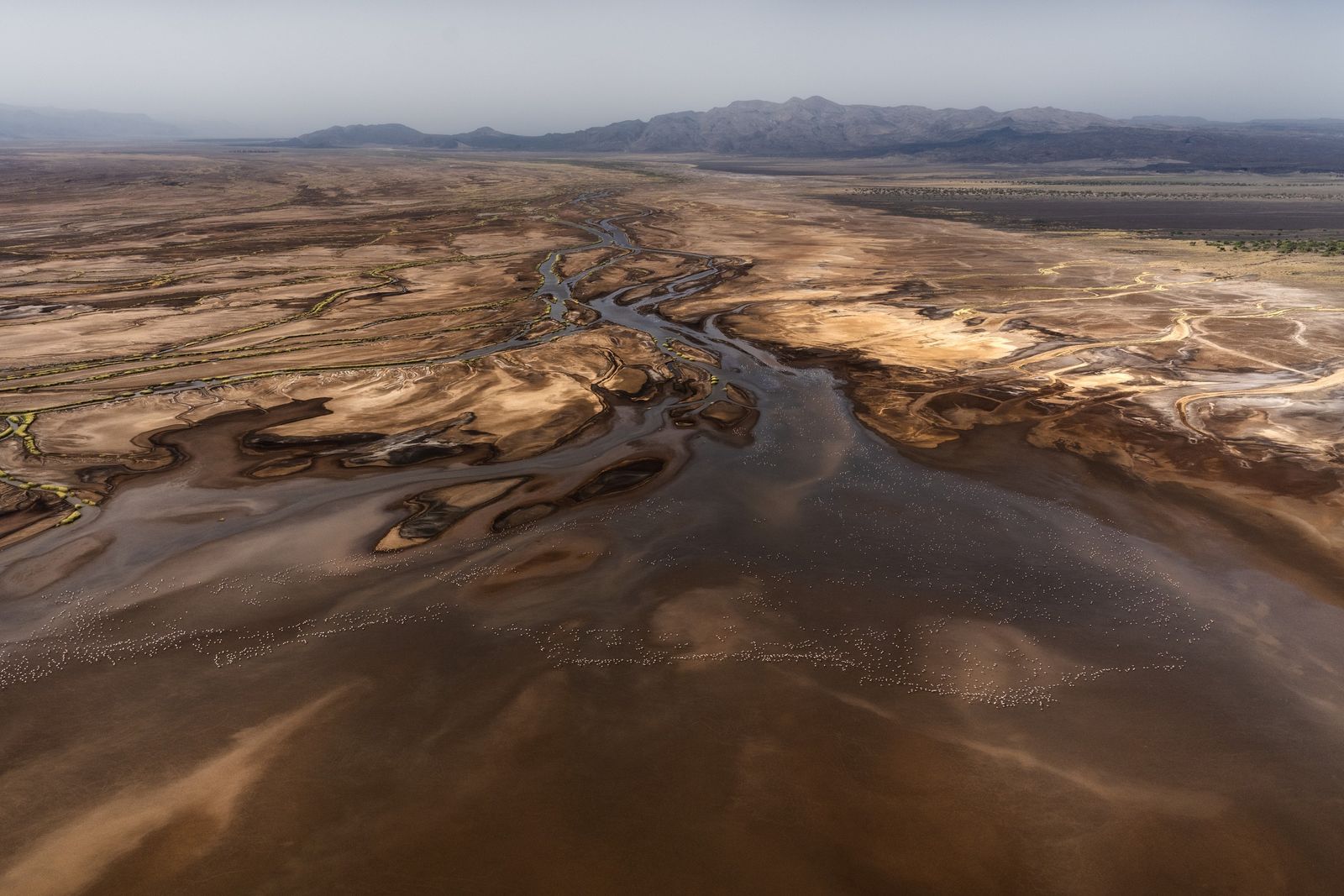
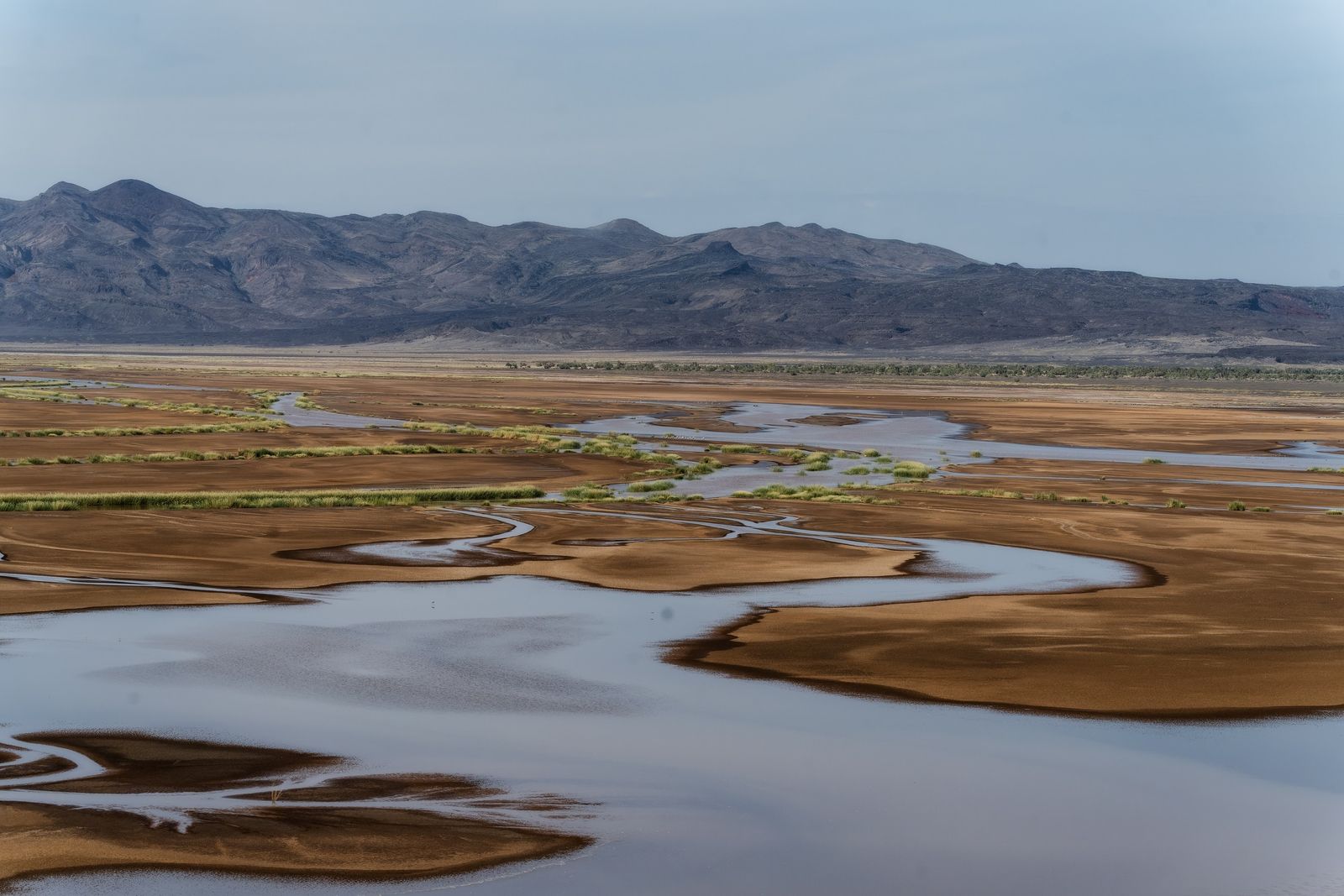
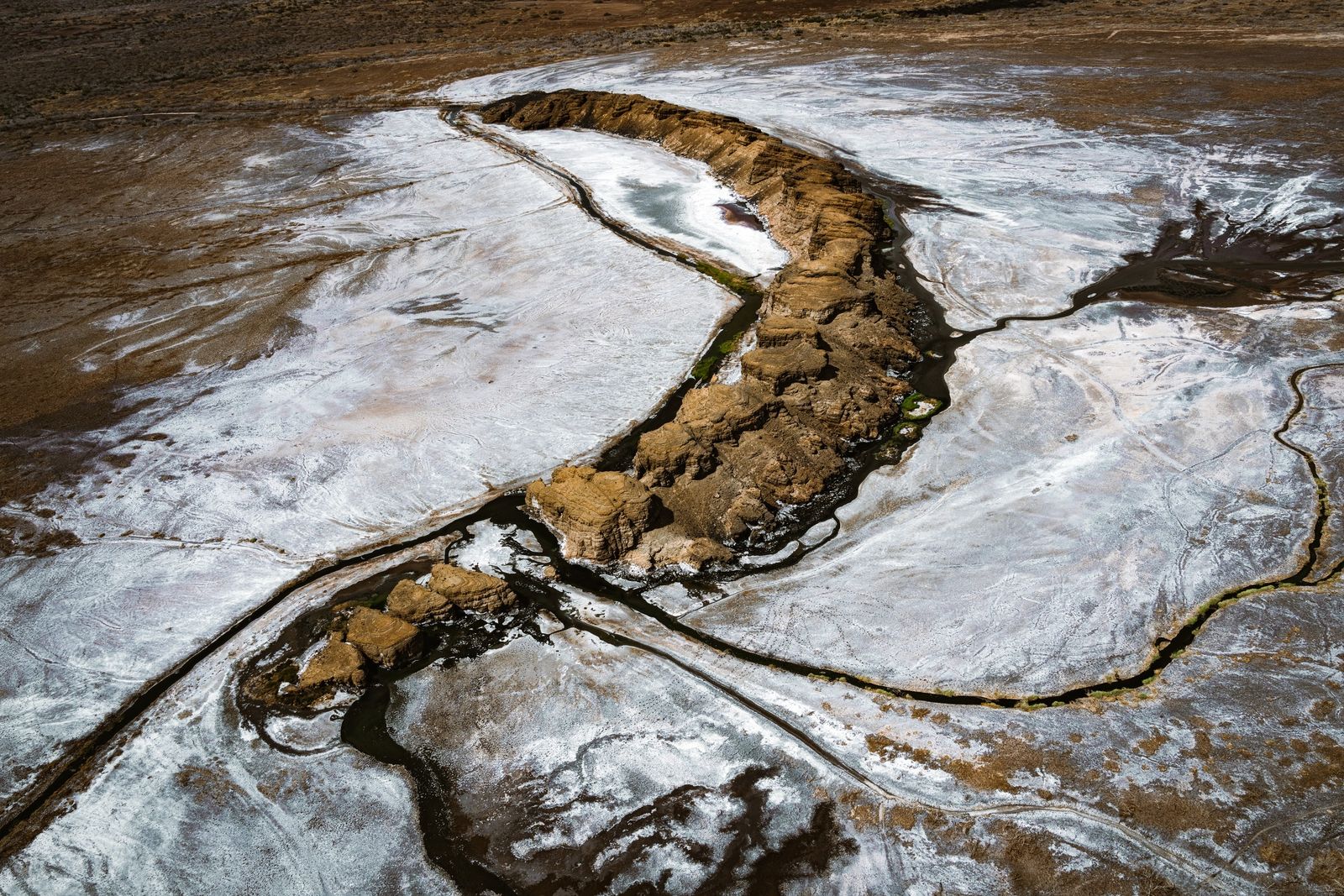
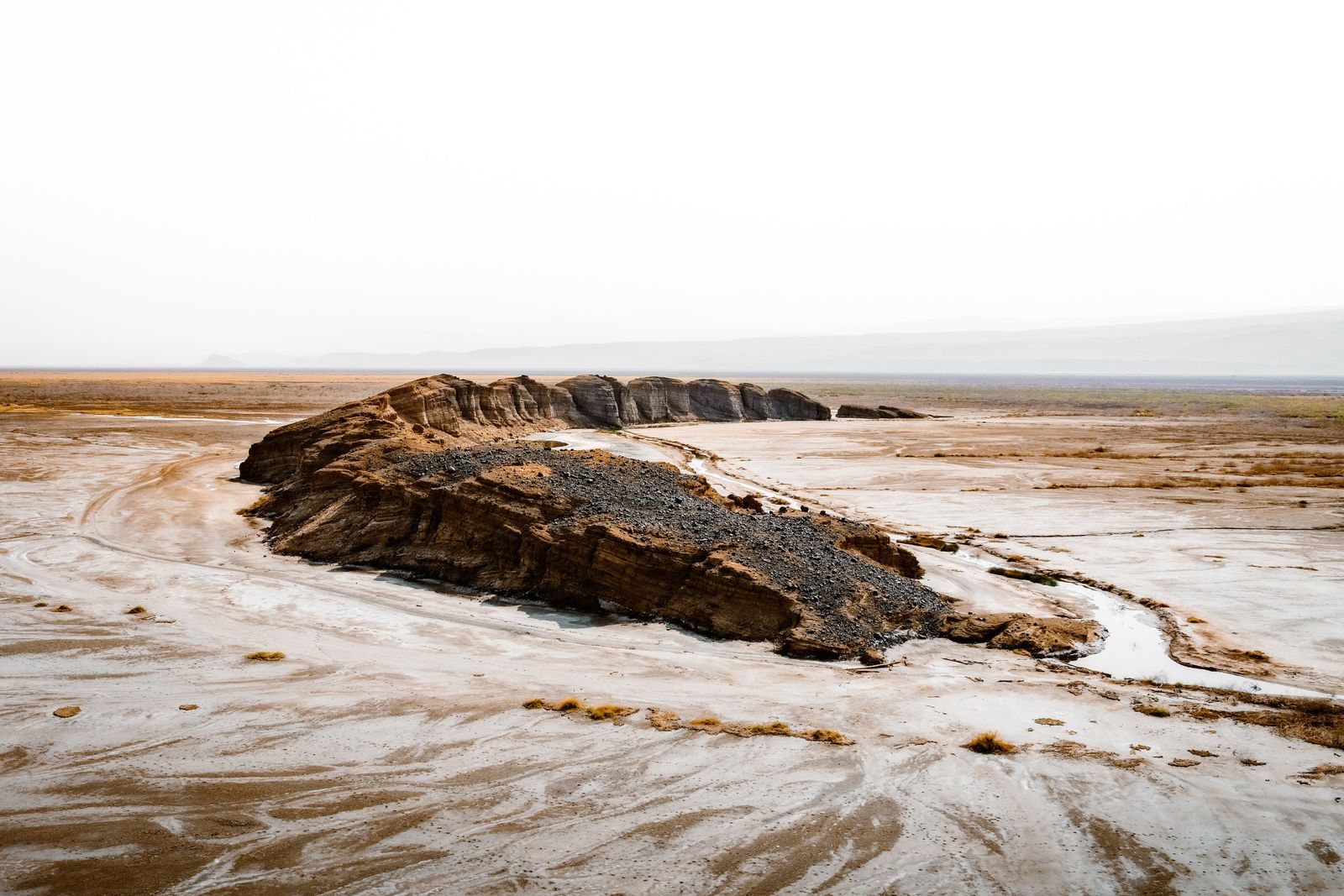
Beyond the dunes the valley floor flattens beneath us, and the Suguta River splits into many channels that look like roots or veins of marble from the air. The colours come from the water and from what lives in it. In the saltiest pools the water turns red and purple, tinted by the few microbes that can survive the brine.
The Painted Valley
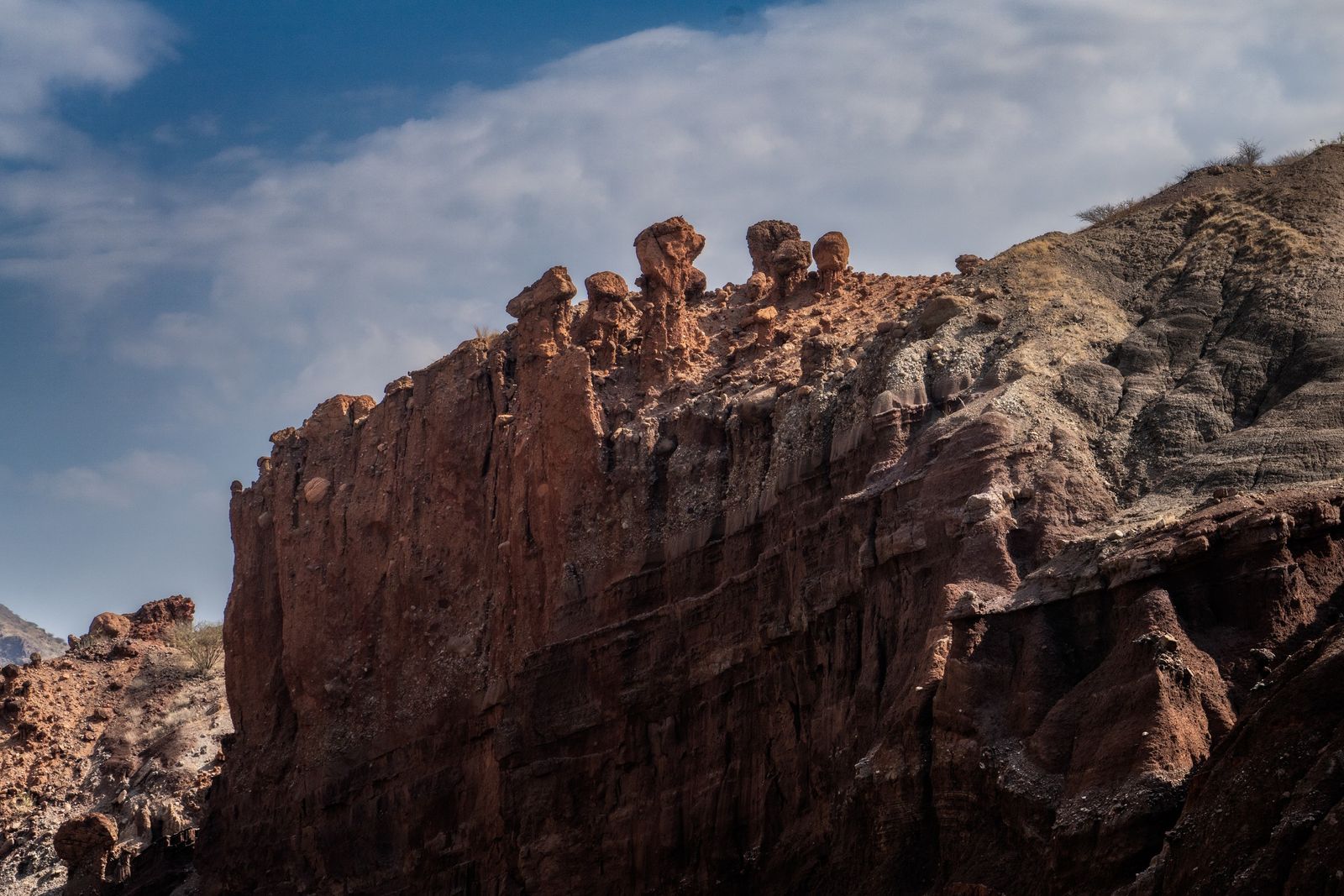
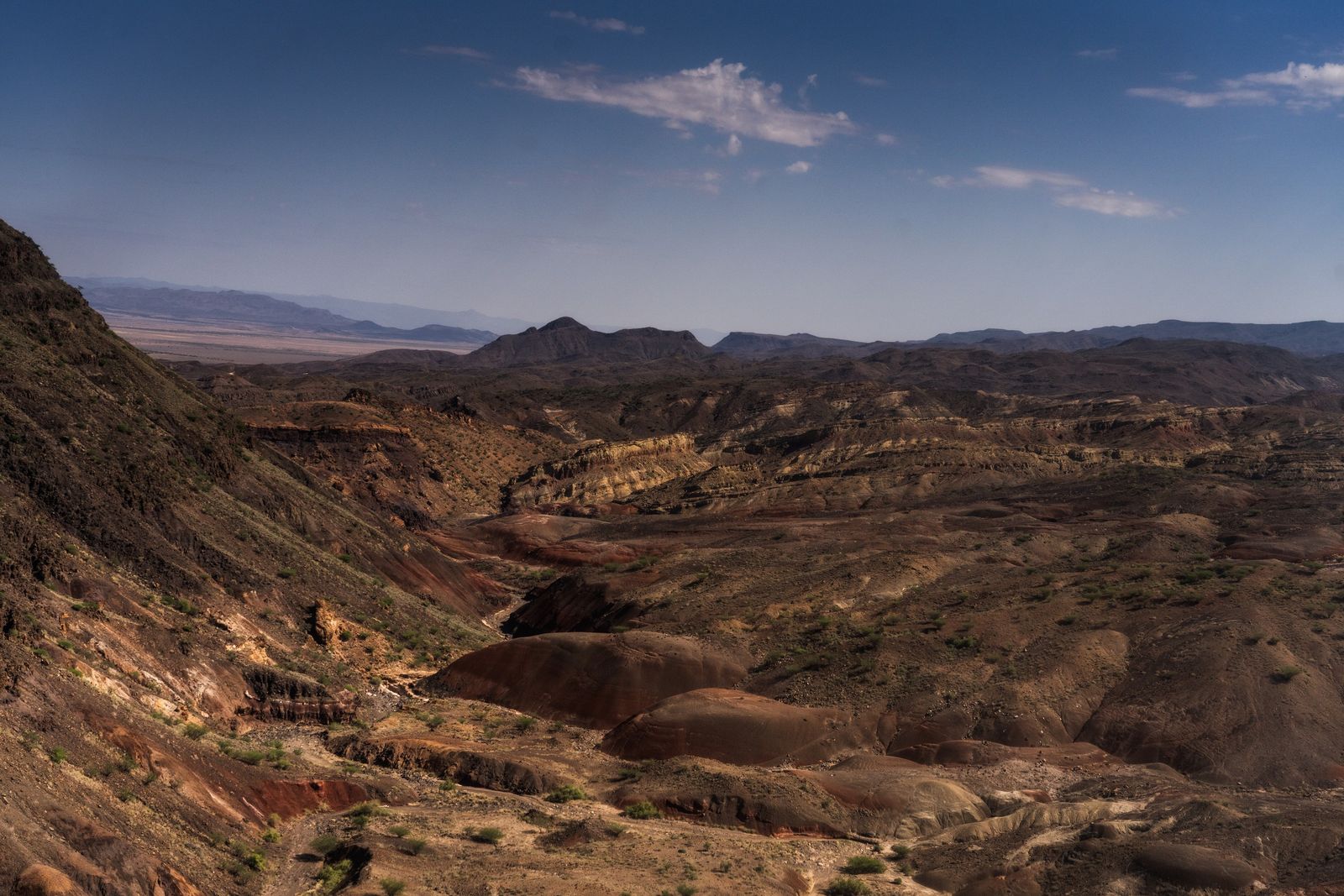
Near the northern end of the valley we reach the Painted Valley, where the ash and silt of the old lake bed have worn into walls and pillars, purple and grey, with white bands made of the glass-like shells of microscopic algae that once lived in the lake.
Fine art prints from The Suguta Valley
28 numbered limited editions. From 900 USD.
I show new prints to my list a week before they go on the site. Leave your address and I will write when there are more from this place.
A few letters a year. Unsubscribe with one click. Privacy